
1 (888) 333-0491
[email protected]
Book Appointment
Bronson Heritage Chiropractic Bronson Heritage Chiropractic
  • Home
  • About
    • Meet the Team
    • Social
    • Testimonials
  • Specialties
    • Pregnancy Chiropractic
    • Newborn & Pediatric
    • Family Chiropractic
    • Postpartum Chiropractic
  • Patients
    • Faq
    • Book Appointment
    • Discounts & Incentives
    • Gift Cards
    • Order Supplements
    • Privacy Policy
    • Healthcare Disclaimer
  • Areas We Serve
    • Aledo
    • Azle
    • Eagle Mountain
    • Fort Worth
    • Lake Worth
    • Saginaw
    • Springtown
    • Weatherford
  • Blog
  • Contact us

Back to School Challenges

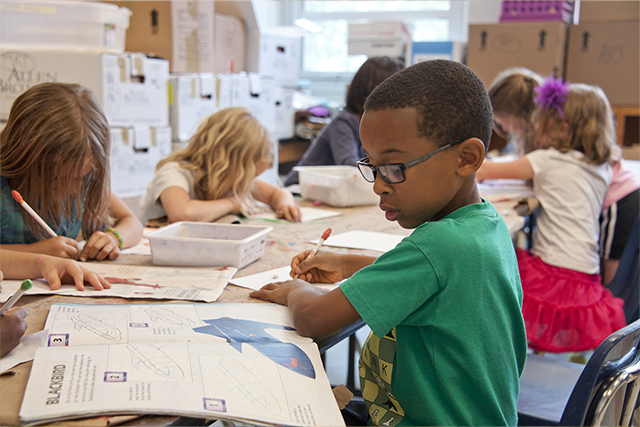
Back to school is here, which comes with the challenge of getting kids to focus on school work and get back into the learning mode. On the surface, it seems like a good idea to use gimmicks like fidget spinners, instrumental music, etc. But there may be more going on that caused attention difficulties.

THE BRAIN

The brain plays a big part in all of this, so let’s dig into some information that could make their experience easier.

The brain is multifaceted and handles all kinds of functions that facilitate learning and focus. Over the holidays, some of these functions switch off and others switch on. The limbic system is located in the middle of the brain and acts like a conductor, directing sensory input to where it needs to go. Stress, anxiety, hyperactivity, and fear all get directed to a protective response. On the others side of things, calm and structured input gets directed to the cerebral cortex for learning and the hippocampus, where information is slated for memory and focus. That’s why kids in highly stressful situations find it hard to settle down and learn. Teachers who understand this and make learning more fun and less stressful tend to have more successful grade averages in their classes.

So the goal, as parents, caregivers, and teachers is to keep from overstimulating the limbic system and avoid the fight-or-flight response in the children’s brains. Because an overwhelmed limbic system won’t direct traffic very well.

STRESS & THE ENVIRONMENT

Stress comes mostly from our environment in foods, diet, emotional situations, and physical situations too. It doesn’t take a pediatric chiropractor to understand that, with all of this stressful input, kids can get stuck in a mode that isn’t conducive to learning. Physical and emotional stress can start at birth, from a difficult delivery, or even an emotionally stressful pregnancy.

Our Insight Scanning technology allows us to visually see areas of stress or tension can could be causing, or a result of, these stressors in kids of all ages. We can see where that tension is being held, that could be causing focus problems. Typically, we see tension representing itself in the neck and shoulder areas.

When tension is not handled properly, it can result in hyperactivity because that’s the realm of protection, being hyper aware, avoiding danger, etc. It’s not the calm state in which kids are ready to learn.

Our nervous system’s main function is to interpret input from the environment around us and coordinate the function of all the cells of our body.

SYMPTOMS

  • Hyperactivity
  • Uneasiness
  • Fear
  • Anxiety
  • Anger
  • Lack of Focus
  • Can’t sit still

All of us, with an overly stress-stimulated brain, experience trouble paying attention because the limbic system is flooded and the hippocampus shuts down. It can’t efficiently coordinate everything going on, and certainly isn’t at a state of peace.

Do you remember trying to remember something during a stressful day, and you just feel the need to unplug, take a nap, hit some golf balls, or read something funny? That’s your body telling you that it’s overstimulated and needs a break. Kids need a break from sensory input, especially after the holidays or summer break. This seems counterintuitive but the break they need isn’t a break from work; it’s a break from competing input. They need less going on, like video games, phone use, arguments, overly busy extracurricular activities, etc. They need less to distract them and more time for rational thought.

A pediatric chiropractor can help kids by helping to relieve some of the physical representations of stress like subluxations and tension, that can throw off balance, coordination, and focus. It’s frustrating to deal with a child who isn’t paying attention, which is why so many parents seek a medical treatment to help. But, sometimes all it takes is a thoughtful chiropractic treatment plan to help their bodies function properly.

Next time you notice your child having problems with focus, anxiety, and stress, give a pediatric chiropractor a try. We specialize in prenatal and pediatric chiropractic because pregnant mothers and children have stress that is rarely treated without prescription drugs. We’ve seen incredible results in our patients and would love to show you how we can help.

Does Your Child Have Anxiety?

Does your child have anxiety?

The pandemic brought many things to light that were in the shadows. For many, it caused things like depression, anxiety, and other emotional issues to rise to the surface and cause problems. For so many, school and seeing friends kept problems at bay, but mandating students to stay home and move their learning online created a serious blow to their social skills and coping mechanisms. Whether you believe lockdowns were necessary or not, they caused emotional issues for many kids and adults. Things like anger, depression, anxiety, lack of motivation, plummeting energy levels, insomnia, and even ulcers, hives, acid reflux, headaches, eye strain, and other manifestations of stress became issues.

A case study by PXDocs showed that a 5th-grade girl Avery’s sympathetic nervous system was stuck on and left her in a constant state of tension and irritability. Her Insight Scans showed red areas of tension correlating with subluxation and dysfunction that affected her adrenal glands and caused sensory and anxiety to flare up. In only 90 days of proper chiropractic care, her follow-up scans lined up with her parents noticing a big improvement. She was falling asleep easier, waking up rested and was calmer and more relaxed. But the big win was that she could control her emotions and showed much fewer signs of stress and anxiety!

Here are Avery’s before and after scans. You can see the progress and why we love our Insight technology so much. It gives us the ability to show you visual proof of your progress.

How To Spot Anxiety

It’s simple for parents to spot anxiety by watching a child’s body language and mannerisms.

Common signs of anxiety:

  1. Seeming overwhelmed
  2. Restless or irritable
  3. Looking tired
  4. Lack of motivation or taking on too much
  5. Trouble concentrating
  6. Easily angered
  7. Frequent headaches, backaches, etc.
  8. Overly worried
  9. Spiraling with tasks feeling they are unmanageable
  10. Insomnia or still tired in the mornings
  11. Indigestion, heartburn, nausea, constipation
  12. Emotionally unstable

All or some of these symptoms usually accompany tension that can cause more problems. If your child complains of headaches, a stiff neck or back, or uncontrollable feelings of being overwhelmed, then you should seek help.

Emotional stress can manifest in the neck and back, which can perpetuate more stress and even frequent illness from a damaged immune system.

Think about it. When you have a sore neck, headache, or backache, how do you react to others? Chances are, you react with less patience and aren’t in a very good mood. It can affect your immune system, digestion, heart rate, sleep, and every aspect of your life. It does the same in your children.

You and your children can get help naturally without using prescription or over-the-counter drugs. Chiropractors are educated in ways to help the body function as intended and to keep the flow of electrical signals, hormones, blood, and oxygen moving smoothly. Often, the simple answer is the right one.

Insight Scanning Technology

We use a tool that can show tension in various areas of the body. It helps us spot the cause of blockages or tension that can disrupt the flow of nerves, muscles, and vital nutrients that keep our bodies running at their best. It can show the doctor indications of subluxation (vertebra misalignment) that can usually be easily fixed. The nervous system doesn’t operate properly when there are disruptions and can get out of balance. This can enhance issues like anxiety.

A subluxation in the upper cervical area (neck) can disrupt motor function and affect balance and really everything in your body. The nerves in and near your brain stem affect everything, especially the vagus nerve. A subluxation here can start as early as birth and is a common problem many parents may not be aware of. It can be a root cause of many issues that are misdiagnosed and mistreated.

Imagine if you looked at your front yard and it was brown. You look around and notice a water hose and sprinkler are there, but there’s a bicycle parked on it, stopping the water flow. Now you have a choice of what to do…


Do you:

  1. Remove the bicycle
  2. Fertilize the yard

The answer seems simple, but when it comes to our bodies, we sometimes choose to add chemicals.

If you treat the issue with drugs, many times it’s like fertilizing the yard when you could just remove the bike and let the water flow. Once the water begins to flow again, the grass will get the nutrients it needs to thrive, and it will turn green again.

Chiropractic is much like removing the bike and restoring proper flow to our bodies. A subluxation is like a kink in the hose sometimes and can restrict important functions.

The Bottom Line

If you notice your child seems overwhelmed, anxious, and exhausted all at the same time, it’s time to intervene and get some help. It may not be purely a psychological issue. It could be a problem caused by subluxation that’s disrupting their body’s natural function.

If you haven’t experienced chiropractic before, this may be a new concept for you. Advertising by major drug companies portrays common symptoms as causes for taking medication when maybe all that’s needed is focused chiropractic treatment. A pediatric chiropractic specialist like Dr. Bronson can examine, diagnose, and treat children in special ways to gently restore proper function so their bodies can thrive.

It’s worth a shot to avoid chemicals and solve the underlying issue. After treatment begins, many parents see improvement in:

  1. Mood
  2. Sleep
  3. Energy
  4. Ability to cope with tough situations
  5. Emotional stability
  6. Digestive issues
  7. Concentration (better grades in school and more attention span)

Top 3 Ways the Fall Season May Come with Holiday Behavioral Challenges

Holiday behavioral challenges affect many people. Here are some explanations and things you can do to help. You may notice your child and others having more trouble with their anxiety, ADD, ADHD, or other sensory conditions during the fall months, when they seem relatively fine the rest of the year. Transitioning back to school, Halloween, Thanksgiving, Christmas…there’s a lot going on.

Here are some tips to help your kids de-stress and have a smoother, happier, calmer, more sensory, emotional, and behavioral-regulated transition.

What Causes Holiday Behavioral Challenges?

  • Changes – Let’s face it; some people don’t handle changes very well. Children, in particular, have trouble with changes, especially when things get a bit chaotic. Add to that the anticipation for a school break and all the fun times during the holidays, and it’s understandable why it can be a sensory overloading time. Children with sensory conditions like ADD, ADHS, seizures, anxiety, and ASD (autism spectrum disorder) may find it especially difficult during the holidays.
  • Our Emotions Follow the Seasons – It’s natural for our bodies to adjust to the seasons. Holiday behavioral challenges are just a difficulty adapting to changes and can cause sensory overload. The way nature intended, our nervous system follows our circadian rhythms and is always adapting to changes in the environment and our surroundings. Seasonal changes like temperature, changes to daylight hours, time changes, and seasonal activities all create changes we must navigate. Naturally, our bodies attempt to slow down in the winter months when a typical family’s activities are at an all-time high. Our activity contradicts our circadian rhythms, causing stress that can affect those with or without existing challenges.
  • Seasonal Allergies – Allergies can cause additional stress on our bodies. During the holiday months, our immune systems have a hard job. When the green turns to tan, the leaves fall, the grass goes dormant, and there’s an increase in dust in the air. Our bodies have processes in place to handle allergies, but they can increase our inflammation levels and increase stress. But what do you think happens if something is preventing your body from reacting the way it should? What if you add drugs to the mix, which counteract your body’s natural responses? It can take some of the fun out of the holidays.
    So, how does chiropractic affect your body’s response to seasonal allergies, emotions, adaptability, and more? A subluxation can hinder your body’s defenses along with something called The Perfect Storm, which can trigger sympathetic nervous system dominance. When this happens, your immune system is less effective, and you could have moderate to severe inflammation issues (allergies, aches, pains, stiffness, headaches, etc.)
Circadian rhythm cycle of a typical teenager. Credit: NIGMS.

Fall and winter come with more stress. It’s that simple. We come in contact with more people, more germs, and more stressful situations that we need to mitigate. But germs are not the problem; our ability to fight them off is the problem. Our immune system needs support from our bodies, which need to be functioning properly. If something hurts our ability to adapt and fight off illness, that’s where problems arise. And if your immune system is working overtime, it takes more energy away from other processes that regulate neurosensory, behavioral, emotional, and other brain functions.

3 Things That Could Help Counteract Holiday Behavioral Challenges

First, neurologically focused chiropractic care can help your body function as it should, enabling it to adapt properly. Chiropractic treatment can activate the parasympathetic system by activating the Vagus Nerve, which can have a relaxing and calming effect very quickly.

You and your child will benefit from a balanced, properly functioning system, which could go a long way to reducing the holiday’s emotional, behavioral, or stress challenges.

If you or your child is experiencing trouble with emotions, anxiety, ADD, ADHD, or a challenged immune system, and you haven’t visited Bronson Heritage Chiropractic yet, it may be beneficial to do so. We want to help you make holiday challenges easier to handle.

Second, it’s important to slow down and stop scheduling every waking moment. Downtime is important. Unplug from the computer, phone, and TV and go outside or read a book. Protect your bedtime and get plenty of sleep. Drink enough water each day to help your body circulate important nutrients. Eat right whenever possible and add plenty of fruits and vegetables to your diet.

Third, increase supplements like magnesium, potassium, Vitamin C, and zinc. Magnesium is calming to your system and can help you get to sleep easier. Vitamin C, zinc, allicin, and elderberry can help boost your immune system.

It’s a balancing scale. When there’s more stress, add more things to counteract it. We are all busy, but we don’t all take the necessary precautions to protect our immune systems, emotions, and behavior. When we get too busy for good health, it can cause holiday behavior problems, seasonal illness, and symptoms of high stress.

Come see us to give your body the balance it needs for good health. You’ll be glad you did.


Schedule Appointment

Developmental Milestones

Some children have problems with their developmental milestones. Things like standing, walking, rolling over, sitting up, and crawling all have rough estimates of when children should be doing them.  But when a child’s developmental milestones are delayed, many parents and health providers simply hope for the best and encourage delayed action when there could be other issues going on.

A child’s neurological control of motor development and digestive function are so intertwined that things like constipation could have an underlying condition treatable by chiropractic. 

Some parents struggle to help their children perform some very basic functions like going to the bathroom, walking on their own, etc. It can be a frustrating time. Luckily, there are things parents can do that don’t include drugs or other artificial interventions.

Neurologically-focused pediatric chiropractic care can help children’s bodies regulate motor functions, balance, mood, and more. 

Example patient: Scarlett, 16 months old 

Symptoms – Extreme balance issues, extreme flexibility, inability to stand and inability to walk on her own. Scarlett’s mom had a gut feeling something wasn’t right, but was told, “all babies are flexible!” by their pediatrician when voicing her concern.

With a PT referral 2 months out, they decided to try chiropractic.

During her gross motor assessment, Scarlett exhibited signs of low tone in her extremities and was hyper-flexible. Scarlett had to use a very wide stance to walk and needed to hold on to something or someone because her balance was not there. Her spinal assessment and insight scans showed several areas of misaligned vertebrae and nervous system stress, especially at the top of her neck which determines balance and muscle tone. 

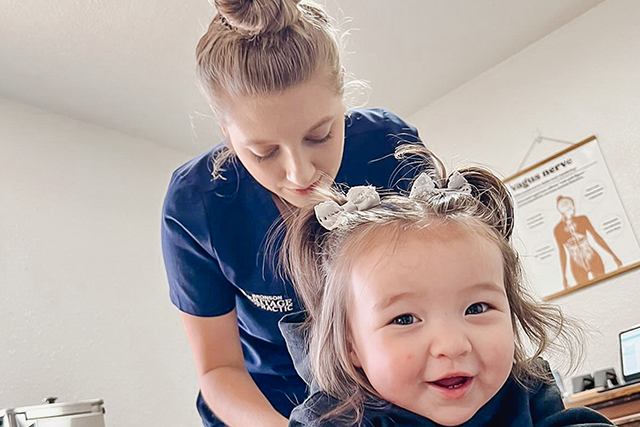
Scarlett enjoying her time at BHC

Results – After 1 adjustment Scarlett was able to balance standing on her own, was less constipated and seemed more at ease. After 4 adjustments she was taking steps on her own! 

Scarlett after adjustments and balance work from Dr. Bronson

DEVELOPMENTAL MILESTONES
Developmental milestones are important physical and behavioral signs of human development in children, to help caregivers make sure things are progressing as expected. Also, some developmental milestones are not motor-related but fall in the realm of sleep, immune system function, and digestion that can be easily overlooked. These are linked through the central and autonomic nervous systems.

CATEGORICAL LIST OF DEVELOPMENTAL MILESTONES: 
It may be easier to break down all of the developmental milestones by category, to put them into perspective.

Motor Skills– Control of head, rolling over, crawling, walking, jumping, etc. 
Social Skills – Smiling, laughing, getting involved, interacting with others, initiating playtime, and making eye contact. 
Cognitive Skills – Reasoning, solving problems, understanding basic communication, making decisions, etc. 
Emotional & Behavioral Functions – Sleeping, Mood, learning, self-regulating emotions, being patient, the ability to listen and follow directions, etc. 
Digestive Function– Latching, swallowing, breastfeeding, going to the bathroom, etc. 
Immune Function – Frequent illness, fevers, coughing, congestion, recovery time from illnesses, teething, etc. 

Healthy sleep patterns is one of the most important and indicative functions because children need the proper sleep cycles to help develop everything else. And, even though every child is different, there are still some markers that can signal that everything is ok or that their may be trouble.

INDICATIONS THERE MAY BE DELAYS TO ADDRESS: 

1 month: 
Trouble turning head from side-to-side
Trouble latching & nursing
Trouble swallowing
Digestion issues
Consistently leaning their head to one side or the other
Stiffening neck frequently
Arching back frequently
Excessive crying
Trouble pooping

3 months: 
Trouble eating
Moving head from side-to-side
Frequently arching back
Excessive crying

12 months:
Can’t sit or stand on their own

Anytime:
Banging head against things
Skips crawling and goes straight to standing stiff
Can’t sleep
Can’t poop

WHAT WE WANT TO SEE:

  • Enjoyable tummy time
  • Pushing up
  • Raising head
  • Sitting up
  • Proper hand-eye coordination
  • Smiling and babbling
  • Imitating sounds
  • Easily poops daily
  • Infrequent crying (a happy baby)

As our children develop, more and more happens and the list of developmental milestones grows rapidly.
In fact, your child’s brain will be about 60% larger at only 12 months than it was at birth.

It’s important not to use the information above rigidly. Every child is different and the big picture is that they can sleep, eat, stand and walk, make eye contact, and look generally at ease. If this isn’t the case, a pediatric chiropractor can perform an Insight Scan and other tests to develop a care plan. Trust your gut instincts. If you thing something is wrong, let’s take a look.

WHY SOME KIDS HAVE DEVELOPMENTAL MILESTONE DELAYS

Developmental milestone delays can happen for a variety of reasons and some of them are simple to fix. Because of the stress of birth, some children have a spinal subluxation after delivery, which can alter neurodevelopment timelines. A subluxation is simply a vertebra not lined up and may cause resistance and limited range of motion, affect nerves and supply to organs or muscles, etc. Sometimes there may be structural issues causing subluxation in the first place. Tension, for instance, can cause pulling to one side or the other causing a subluxation. 

A subluxation causes the nervous system to tighten up in certain areas, which can cause headaches, tension, sore muscles, and more.
Newborns react by having trouble with their basic beginning developmental milestones. Latching problems, reflux, constipation, crying, and colic could be an indication the child needs to be checked for subluxation.

WHAT CAUSES SUBLUXATION?
Don’t get too hung up on this one because everyone will develop subluxation many times in their lives. Those who have never seen a chiropractor just live with it.
Infant Subluxation can be caused by:
Maternal distress (the stress and emotional challenges for the mother during pregnancy) 
Incorrect positioning (breech, cord wrapped)
Birth interventions (C-section, forceps, vacuum, and labor induction) 

Physical stress on the mother can impact an unborn infant’s head and neck, nerves, muscles, and create the situation causing subluxation. Trauma, even mild trauma, is an important topic and can cause delayed developmental milestones. However, Sometimes the mother has nothing to do with it and the process of birth is the singular cause of subluxation for the infant.

While the CDC and medical establishment have adopted more lax developmental milestone goals, chiropractors and many other health providers remain steadfast to help your child excel at life. You will never hear a pediatric chiropractor say, “don’t worry, they’ll grow out of it”, unless it’s truly the case.

HOW CAN A PEDIATRIC CHIROPRACTOR HELP? 
First, we will gather information and examine the child. Then, we will perform an Insight scan to visually see areas of stress in your child’s body. Then, we will discuss treatment options with you before we do anything.

Read More About Insight Scanning Technology

Insight scans only take minutes and they are completely safe and non-invasive.

You deserve to be heard and you deserve to have your wishes respected.
Bronson Heritage Chiropractic was founded to give parents the tools to provide quality care to children. We look forward to helping your family grow healthier.

  • 1
  • 2
  • 3
  • 4
Side Bar
Recent Posts
  • Chiropractic vs Medication: What’s the Difference?
  • What Is a Subluxation and Why Does It Take Time to Correct?
  • Understanding Chiropractic: Beyond Pain Relief: Part 1 of 5
  • Staying Healthy During Mountain Cedar Season in North Texas
  • A Christmas Reminder: Rest, Restore, and Reset
Categories
  • General
  • General Health
  • Pediatric Chiropractic
  • Physical Therapy
  • Postpartum Chiropractic
  • Pregnancy Chiropractic
  • Uncategorized
Bronson Heritage Chiropractic

Please visit us on social media, call, or just come by. We'd love to hear from you.

Copyright © Bronson Heritage Chiropractic 2024. All rights reserved.
Treatment information is for educational purposes only and applies only to licensed chiropractors. It is not intended for the general public to use chiropractic techniques for self treatment or the treatment of others. Read our full Healthcare Disclaimer.
Developed by William Bronson