
From Back Pain to Neurodevelopmental Disorders: How Chiropractic Care Supports School-Aged Children
From Back Pain to Neurodevelopmental Disorders: How Chiropractic Care Supports School-Aged Children
Introduction to Chiropractic Care and its Benefits for Children
As parents, we all want our children to thrive in every aspect of their lives, both physically and mentally. Yet, many school-aged children face a variety of health challenges that can hinder their growth and development. From pesky back pain due to heavy backpacks to headaches caused by stress, these issues are more common than you might think. And while traditional treatments often focus on symptoms alone, there’s an alternative approach gaining traction: chiropractic care.
Imagine a solution that not only addresses immediate discomfort but also supports your child’s overall well-being. Chiropractic care is emerging as a holistic avenue for improving the health of young ones, encompassing everything from posture correction to managing neurodevelopmental disorders. Curious about how it all works? Let’s dive deeper into the benefits chiropractic care offers for school-aged children and discover how it can transform their daily lives!
Common Health Complaints in School-Aged Children: Back Pain, Headaches, Postural Issues, Nocturnal Enuresis, and Neurodevelopmental Disorders
School-aged children often face a variety of health complaints that can hinder their daily activities. Back pain is surprisingly common among kids, especially with the rise of heavy backpacks and sedentary lifestyles.
- Headaches too are frequent, sometimes linked to stress or poor posture. Children spend hours hunched over screens, leading to tension and discomfort.
- Postural issues arise from this behavior as well. Slouching has become routine for many youngsters, affecting their overall development.
- Nocturnal enuresis, or bedwetting, affects some school-aged kids deeply. Often overlooked, it can stem from various physical and emotional factors.
- Neurodevelopmental disorders present additional challenges for children navigating school life. Conditions like ADHD or autism spectrum disorder require tailored approaches for support and care. Each issue deserves attention to ensure holistic well-being in growing minds and bodies.
Understanding the Connection between Spinal Health and Overall Well-being in Children
The spine is a crucial part of the body, acting as the main conduit between the brain and nervous system. When it’s aligned properly, children can enjoy better physical health and emotional stability. Spinal misalignments can lead to discomfort and pain. This discomfort may distract them during school or playtime, impacting focus and overall happiness.
Additionally, research shows that spinal health often influences immune function and energy levels. A well-functioning spine helps ensure that essential nutrients travel throughout the body efficiently. Supporting spinal integrity encourages proper posture, which directly affects self-esteem in developing children. Feeling good physically contributes to positive mental states.
Moreover, regular chiropractic adjustments can enhance coordination and balance—key components for active young lives filled with sports and outdoor activities. Prioritizing spinal health sets a strong foundation for lifelong wellness in children.
How Chiropractic Care Can Help Alleviate Symptoms of Back Pain in Children
Back pain in school-aged children can stem from various factors, including heavy backpacks and poor posture. Chiropractic care offers a gentle approach to address these issues effectively. Chiropractors utilize spinal adjustments to correct misalignments that may contribute to discomfort. By focusing on proper alignment, they help relieve pressure on nerves and improve mobility.
In addition to hands-on techniques, chiropractors often provide tailored exercise recommendations. These exercises strengthen core muscles, supporting the spine and reducing strain during daily activities. Children are active by nature; chiropractic care helps them maintain an active lifestyle while minimizing pain. Regular visits not only promote physical well-being but also support mental health by allowing kids to engage fully with their peers without the distraction of discomfort.
Parents have reported noticeable improvements in their child’s overall mood and activity levels following chiropractic treatments for back pain. This holistic approach proves beneficial for both body and mind.
The Role of Chiropractic Care in Managing Headaches and Postural Issues in Children
Headaches and postural issues are increasingly common among school-aged children. The demands of modern life, such as lengthy screen time and heavy backpacks, can lead to discomfort that affects their daily activities. Chiropractic care offers a holistic approach to managing these problems. By focusing on spinal alignment, chiropractors work to relieve tension in the neck and back, which can be a significant source of headaches. Adjustments help restore proper function to the nervous system.
Posture is another critical area where chiropractic treatment shines. Many children develop poor habits while sitting for long periods at desks or using devices. Chiropractors provide tailored exercises alongside adjustments that promote better posture and overall spinal health. Through regular visits, parents may notice a reduction in headache frequency and an improvement in their child’s posture over time. This proactive approach supports both physical well-being and academic performance.
Addressing Nocturnal Enuresis through Chiropractic Treatment
Nocturnal enuresis, commonly known as bedwetting, can be a distressing issue for school-aged children and their families. This condition often leads to feelings of embarrassment and anxiety for young ones, affecting their confidence. Interestingly, chiropractic care offers a unique approach to addressing this concern. By focusing on the spine’s alignment, chiropractors aim to enhance nerve function throughout the body. Improved nervous system communication may help regulate bladder control more effectively.
Many parents report positive changes after seeking chiropractic treatment for their child’s bedwetting challenges. Through gentle adjustments tailored specifically for youngsters, practitioners work towards creating an environment conducive to healing. It’s essential that caregivers consult with a pediatric chiropractor experienced in dealing with nocturnal enuresis. They can guide families through individualized treatment plans designed not only to alleviate symptoms but also promote overall well-being in school-aged children facing this challenge.
Supporting Neurodevelopmental Disorders with Chiropractic Care: Case Studies and Evidence-based Research
Chiropractic care has emerged as a complementary approach for managing neurodevelopmental disorders in school-aged children. Research highlights its potential benefits, focusing on spinal alignment’s impact on the nervous system. Case studies reveal positive outcomes for children with conditions such as ADHD and autism spectrum disorder. These reports often showcase improvements in focus, behavioral regulation, and social interactions after receiving chiropractic adjustments.
One particular study noted that regular chiropractic sessions led to enhanced motor skills among children diagnosed with developmental coordination disorder. Parents reported noticeable changes in their child’s ability to engage in daily activities. Evidence-based research supports these anecdotal findings, suggesting that chiropractic care may help alleviate some symptoms associated with neurodevelopmental challenges. The holistic nature of this treatment can empower families seeking alternative support options.
How to Find a Pediatric Chiropractor and What to Expect During a Visit
Finding a pediatric chiropractor who specializes in the needs of school-aged children is an important step for parents seeking holistic health solutions.
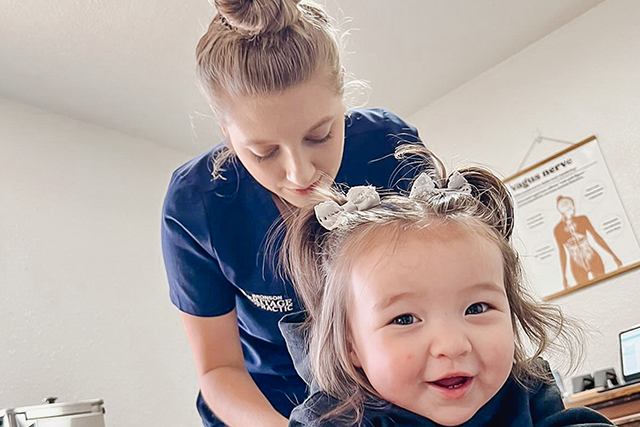
Bronson Heritage Chiropractic is a pediatric and prenatal specialty chiropractic clinic in Azle, Texas. Dr. Britton Bronson is Webster certified to help pregnant women and she uses gentle techniques to treat kids as young as newborns.
Schedule your visit at https://bronsonheritagechiropractic.com/book-appointment/
Read the full case study at https://www.bodyworkmovementtherapies.com/article/S1360-8592%2825%2900076-2/fulltext

Choosing the Right Chiropractor
Introduction
Are you on the hunt for effective pain relief and improved wellness for your whole family? If so, finding a reliable chiropractor could be your first step toward a healthier life. In Azle, chiropractic services are abundant, but not all practitioners are created equal. You want someone who understands your unique needs and can provide personalized care.
Chiropractic care goes beyond just back cracking; it’s about holistic health management. Whether you’re dealing with chronic pain, recovering from an injury, or simply looking to optimize your overall wellness, selecting the right chiropractor is essential. With numerous options available in Azle and Fort Worth, knowing what to look for can make all the difference.
This guide will walk you through critical steps—helping you navigate everything from initial consultations to treatment approaches and follow-up care. Understanding these elements will empower you to make informed decisions about your health journey. So let’s dive into how you can find the perfect fit for your chiropractic needs!
Finding the Right Chiropractor
Finding the right chiropractor can feel overwhelming, especially with so many options available. Start by identifying your specific needs. Are you looking for help with back pain, headaches, or perhaps sports injuries? Knowing what you’re seeking will guide your search.
Next, consider recommendations from friends and family. Personal experiences often provide valuable insights into a chiropractor’s approach and effectiveness. If someone you trust shares their positive experience, it could lead you to the right practitioner. Most of the new patients, who come to see Dr. Bronson, are referrals from other patients.
Online reviews are another useful resource. Websites like Google and Yelp offer firsthand accounts from patients that give you an idea of what to expect during visits. Look for feedback on treatment styles and office environments; this information helps paint a clearer picture of each potential choice.
Don’t underestimate the importance of credentials as well. Check if the chiropractor is licensed in Texas and has received proper training from an accredited institution. You want someone who stays updated on techniques and practices within their field. In addition, Webster certified chiropractors specialize in treating pregnant women.
Consider also how comfortable you feel during consultations or initial meetings. A good chiropractor should listen attentively to your concerns while providing clear explanations about their methods. Feeling at ease can greatly enhance your overall experience.
Location matters too; find a practice that’s convenient for regular visits without excessive travel time interfering with your schedule. This factor ensures consistency in care—a vital component when addressing chronic issues or ongoing treatment plans.
Pay attention to the clinic’s atmosphere upon visiting—does it seem welcoming? Is the staff friendly? The environment plays a role in healing; feeling safe and relaxed contributes significantly to successful chiropractic care.
Initial Consultation and Evaluation
Your journey with Bronson Heritage Chiropractic in Azle begins with the initial consultation. This meeting is a chance for you to discuss your health concerns and establish a connection with your chiropractor. It sets the stage for understanding how they can help you.
During this first visit, you’ll be asked about your medical history. Be prepared to share any past injuries, surgeries, or ongoing issues. Your chiropractor will want to know everything that could impact your treatment plan. Transparency is key here; it helps in tailoring an approach that fits you perfectly.
Next comes the physical evaluation. The chiropractor may perform various tests ranging from posture assessments to range-of-motion evaluations. These assessments are crucial because they reveal how well your body is functioning and where adjustments might be necessary.
You might also undergo some diagnostic testing if needed. X-rays or other imaging techniques can provide valuable insights into underlying issues not visible through regular examination methods. This step ensures that no stone is left unturned when formulating your care plan.
After gathering all pertinent information, the chiropractor will discuss their findings with you. You’ll receive detailed explanations of what’s going on in your body and why certain symptoms are present—knowledge empowers patients and builds trust between both parties.
The conversation will shift toward establishing clear goals for treatment as well as expectations along the way. It’s important that you’re comfortable discussing what recovery looks like for you so that everyone stays aligned during the healing process.
Don’t hesitate to ask questions during this evaluation phase! Whether it’s about specific treatments or overall wellness strategies, keep them coming until you’re satisfied with each answer given by the expert at hand.
Treatment Approach
When it comes to your care with Bronson Heritage Chiropractic in Azle, the treatment approach can vary significantly from one practitioner to another. Each chiropractor brings their unique philosophy and techniques to the table, tailored specifically to meet your needs.
A common method used in many practices is spinal manipulation. This involves applying controlled force to specific joints in the spine. The goal is often to improve alignment, reduce pain, and enhance overall function. Patients frequently report immediate relief following these adjustments.
Another popular technique is soft tissue therapy. This is especially useful with pregnant women, newborns, children. This form of treatment focuses on muscles, ligaments, and tendons surrounding the spine and other areas of discomfort. By addressing muscle tension or injury directly, chiropractors can promote healing while enhancing mobility.
Some practitioners may also incorporate modalities like ultrasound therapy or electrical stimulation into their treatments. These methods aim to reduce inflammation and accelerate recovery time for patients with acute injuries or chronic conditions.
In addition to hands-on techniques, exercise rehabilitation plays an essential role in many chiropractic approaches. Chiropractors will often provide personalized exercises designed not just for recovery but also for prevention against future injuries or flare-ups.
Nutrition guidance may be part of a holistic approach as well. Understanding that overall wellness contributes greatly to musculoskeletal health enables Bronson Heritage Chiropractic in Azle to address lifestyle factors impacting patient progress.
Communication remains crucial throughout every phase of treatment. A good chiropractor will take time during consultations not only to evaluate physical conditions but also listen deeply—ensuring that each plan aligns with your goals and comfort levels.
Follow-Up Care
Follow-up care is a crucial aspect of the chiropractic journey. After your initial treatment, it’s important to monitor progress and make any necessary adjustments. This step ensures that the therapy remains effective.
During follow-up visits, your chiropractor will assess how well you’ve responded to treatment. They will ask questions about any changes in pain or discomfort since your last appointment. This information helps them tailor future sessions to better meet your needs.
In many cases, follow-up care includes regular adjustments aimed at maintaining spinal alignment and overall wellness. These appointments can help prevent the return of issues by reinforcing what was achieved during earlier treatments.
Your chiropractor may also suggest exercises or stretches tailored specifically for you. Incorporating these into your routine can enhance healing and strengthen areas that were previously problematic. Consistency is key here; following their recommendations will support long-term benefits.
Communication plays an essential role in follow-up care as well. Be open about any new symptoms or concerns that arise between visits. This ongoing dialogue allows for timely modifications to your treatment plan, ensuring optimal results.
Additionally, some chiropractors offer nutritional advice or lifestyle tips during follow-ups that complement physical treatment. A holistic approach often leads to improved overall health and wellness beyond just managing pain.
Don’t hesitate to ask questions during these sessions if something isn’t clear regarding your recovery process or self-care strategies at home. Understanding every aspect of your treatment empowers you on this journey toward better health.
Appointment Scheduling
When you’ve decided to pursue chiropractic care, the next step is scheduling your appointment. It’s essential to find a time that fits into your busy schedule while ensuring you can receive the care you need promptly. Bronson Heritage Chiropractic operates by appointment only. New patients should call (888) 333-0491 to schedule their initial exam and visit.
Most chiropractic offices offer flexible hours, which may include evenings and weekends. This flexibility allows patients with various commitments—like work or family obligations—to seek treatment without too much disruption. You can often book appointments online, making it even easier to secure your visit at a convenient time.
Before booking, consider any specific preferences regarding your chiropractor’s availability or office location. Some people prefer early morning slots before their day begins, while others might opt for appointments after work hours when they have more free time.
Once you’ve selected an appointment time that works for you, be sure to confirm any necessary paperwork you’ll need to fill out beforehand. Many clinics will provide forms through email or on their website so that new patients can complete them prior to arriving in person. This not only saves time but also ensures a smoother initial consultation process.
If you’re feeling uncertain about anything during this phase—from what questions to ask your chiropractor during the assessment or how many visits might be required—don’t hesitate to reach out directly via phone or email before confirming your first appointment. Clear communication is key in establishing trust and comfort with any healthcare provider.
Remember that scheduling regular follow-ups may also be part of receiving comprehensive azle chiropractic care as outlined by your practitioner during the initial evaluation and discussion of treatment plans. Open dialogue about ongoing needs and progress will enhance not just how effective treatments are but also how supported you feel throughout this journey toward better health.
Getting started with Bronson Heritage Chiropractic could lead you down a path of improved well-being and mobility—you’ll want those benefits sooner rather than later! With careful planning around scheduling appointments, you’re already taking important steps towards embracing holistic wellness solutions tailored specifically for you.

7 Types of Chiropractic Adjustments
7 Types of Chiropractic Adjustments
Chiropractic adjustments are a cornerstone of holistic health, offering relief from pain and promoting overall wellness. But did you know that there are various techniques tailored to different needs? Each adjustment method has unique benefits, targeting specific issues in the musculoskeletal system. Whether you’re seeking relief from chronic discomfort or looking to enhance your athletic performance, understanding these types can help you make informed choices about your chiropractic care. Let’s explore the seven common chiropractic adjustments that could transform your health journey!
7 Types of Chiropractic Adjustments
Chiropractic adjustments come in several forms, each designed to address specific health concerns. Some techniques focus on spinal alignment, while others enhance mobility and relieve tension. Understanding these methods can empower you to choose the best approach for your needs.
From the Diversified Technique to Spinal Decompression, each adjustment has unique characteristics. Techniques like Thompson Drop-Table and Activator Method offer gentle yet effective results, making chiropractic care accessible for everyone. Discovering what works for you is essential in maximizing the benefits of your chiropractic experience.
Introduction
Chiropractic adjustments are a popular treatment option for those seeking relief from musculoskeletal pain. These techniques aim to restore proper alignment and function in the spine and joints, promoting overall wellness. Many people turn to chiropractic care for issues like back pain, headaches, or tension.
With various methods available, understanding the different types of chiropractic adjustments can help individuals choose what best suits their needs. Each technique has unique benefits tailored to specific conditions and patient preferences. Exploring these options empowers patients on their journey toward better health and vitality.
7 Common Chiropractic Adjustments & What They Do
Chiropractic adjustments are designed to restore proper function and alignment in the body. Each technique targets different issues, providing a tailored approach to patient care. Understanding these methods can help you choose what might work best for your needs.
From the Diversified Technique that focuses on specific spinal segments, to Spinal Mobilization which gently moves joints, each form serves a unique purpose. Techniques like Thompson Drop-Table and Gonstead Adjustment emphasize precise pressure points, while others such as Flexion Distraction aim at alleviating disc-related pain effectively.
1. The Diversified Technique
The Diversified Technique is one of the most widely used chiropractic adjustments. This method focuses on realigning the spine and other joints through precise thrusts. Chiropractors utilize their hands to apply quick, controlled movements aimed at restoring normal function.
Practitioners often prefer this technique due to its effectiveness in treating various musculoskeletal issues. It can alleviate pain, improve mobility, and enhance overall health. The approach requires skill and experience, making it essential for patients to seek qualified professionals familiar with the Diversified Technique.
2. Spinal Mobilization (aka Spinal Manipulation)
Spinal mobilization, often referred to as spinal manipulation, is a gentle technique used by chiropractors to restore joint function. This method focuses on gradually moving joints through their range of motion without the rapid force typically associated with other adjustments.
By employing slow and controlled movements, spinal mobilization helps reduce pain and improve flexibility. It is particularly beneficial for patients who may be uncomfortable with more aggressive techniques or those recovering from injuries. This approach fosters better alignment while promoting overall wellness in the spine.
3. Thompson Drop-Table Technique
The Thompson Drop-Table Technique involves a specialized table that has sections which drop down when pressure is applied. This mechanism allows for quick adjustments with minimal force, making it suitable for those who may be sensitive to traditional techniques.
Chiropractors use this method to align the spine and joints effectively while minimizing discomfort. As the table drops, it helps facilitate easier movement in specific areas of the body. This technique is particularly beneficial for patients seeking relief from acute pain or tension in their muscles and joints.
4. The Gonstead Adjustment
The Gonstead Adjustment is a specific chiropractic technique that focuses on identifying misalignments in the spine and correcting them through targeted adjustments. Developed by Dr. Clarence Gonstead, this method emphasizes thorough analysis using X-rays and detailed physical examinations to pinpoint issues accurately.
Practitioners apply precise pressure to restore proper alignment, often utilizing a specialized adjusting table for maximum effectiveness. This approach aims not only to alleviate pain but also to improve overall function and balance within the nervous system. Many patients experience significant relief from conditions such as back pain and headaches after undergoing this adjustment.
5. The Activator Method
The Activator Method is a popular chiropractic adjustment technique that utilizes a handheld instrument called the Activator. This tool delivers gentle, precise impulses to specific areas of the spine and joints. It’s particularly beneficial for patients who may be uncomfortable with manual adjustments.
One key advantage of the Activator Method is its ability to target specific vertebrae without causing discomfort. This method allows for effective treatment while minimizing strain on the patient’s body. Many find it especially appealing as it provides quick results in enhancing mobility and reducing pain.
6. Flexion Distraction
Flexion distraction is a gentle chiropractic technique aimed at relieving pain and enhancing mobility. It involves the use of a specialized table that allows for controlled stretching of the spine. This method helps to decompress spinal discs, alleviating pressure on nerves.
Patients experiencing lower back pain or conditions like herniated discs often benefit from this adjustment. The rhythmic flexing and distraction can improve blood flow, promote healing, and encourage proper alignment without the jarring movements sometimes associated with traditional adjustments.
7. Spinal Decompression
Spinal decompression is a technique aimed at relieving pressure on the spinal discs and nerves. This adjustment involves stretching the spine gently to create negative pressure within the disc space. As a result, it can help alleviate pain caused by herniated or bulging discs.
The method often utilizes specialized equipment designed for this purpose. Patients may experience immediate relief from back pain, sciatica, or other discomforts related to spinal issues. It’s an effective option for those seeking non-surgical interventions in their chiropractic care plan.
Some common questions regarding chiropractic adjustments
Many people have questions about chiropractic adjustments. One common inquiry is whether there’s a best type of adjustment. The answer varies based on individual needs and conditions, as different techniques address specific issues.
Another frequent concern involves safety. Some wonder if an adjustment can break their neck or if it’s possible to receive too many adjustments. Generally, when performed by a trained professional, chiropractic care is safe and effective. However, it’s important to discuss your personal health history with your chiropractor for tailored advice.
What is the best type of chiropractic adjustment?
The best type of chiropractic adjustment often depends on individual needs and preferences. Different techniques address specific issues, like pain relief or increased mobility. For some, the Diversified Technique is effective due to its versatility in treating various conditions.
Others may prefer gentler methods such as the Activator Method, which uses a handheld device to apply low-force adjustments. It’s essential to consult with a qualified chiropractor who can evaluate your condition and recommend the most suitable approach tailored specifically for you.
How many chiropractic adjustments are there?
The number of chiropractic adjustments can vary widely depending on individual needs and conditions. Chiropractors often tailor their approach based on a patient’s specific issues, health history, and response to treatment.
Some practitioners may use only one type of adjustment consistently, while others might blend several techniques throughout the course of care. It’s best to consult with your chiropractor about how many adjustments you might need for effective relief and optimal well-being tailored just for you.
What is the ABC chiropractic technique?
The ABC chiropractic technique stands for Advanced Biostructural Correction. It focuses on correcting structural misalignments in the body to enhance overall function and well-being. This method emphasizes proper alignment of the spine and pelvis, which can alleviate pain and improve mobility.
Practitioners use specific adjustments tailored to individual needs, often involving gentle movements rather than more forceful techniques. The aim is to restore balance within the body’s structure, ultimately leading to better posture and reduced discomfort over time.
What does the “ABC” stand for in the ABC chiropractic technique?
The “ABC” in the ABC chiropractic technique stands for “Advanced Biostructural Correction.” This method focuses on correcting structural distortions in the body that may lead to pain and dysfunction.
Practitioners use specific adjustments to realign the spine and promote better posture. By addressing these misalignments, the ABC technique aims to enhance overall health and well-being. This approach is particularly effective for those seeking long-term relief from chronic issues related to spinal alignment.
What is that clicker that chiropractors use?
That clicker chiropractors often use is known as an activator. This handheld instrument delivers a gentle, controlled thrust to specific areas of the spine or joints. It’s designed to help realign misaligned vertebrae without the forceful manipulation associated with traditional adjustments.
The activator technique is particularly beneficial for patients who may be uncomfortable with manual adjustments due to pain or anxiety. By using this device, chiropractors can provide effective treatment while minimizing discomfort and enhancing precision in their adjustments.
Can a chiropractic adjustment break your neck?
Many people worry about the risks associated with chiropractic adjustments, particularly regarding the neck. While it’s understandable to have concerns, serious injuries like a broken neck are exceedingly rare during these treatments. Chiropractors undergo extensive training to ensure they perform adjustments safely.
Most of the time, patients report feeling immediate relief after an adjustment. The techniques used are designed to improve spinal function without causing harm. It’s essential to communicate openly with your chiropractor about any fears or pre-existing conditions before undergoing treatment for peace of mind.
Can you get too many chiropractic adjustments?
Chiropractic adjustments are generally safe, but like any treatment, moderation is key. Receiving excessive adjustments can lead to muscle fatigue or joint irritation. Listening to your body and consulting with your chiropractor ensures you’re on the right track.
Your chiropractor will assess your unique needs and recommend a personalized plan. If you’re feeling discomfort after multiple visits, it might be time to reevaluate your regimen. Always communicate openly about how many chiropractic adjustments feel right for you in order to achieve optimal health benefits without overdoing it.
Are some chiropractic adjustments better than others?
Different chiropractic adjustments serve various purposes and may be more effective for specific conditions. For instance, the Diversified Technique is renowned for its versatility in addressing misalignments, while the Activator Method offers a gentler approach suitable for sensitive patients.
What works best often depends on individual needs and preferences. Factors such as injury type, pain level, and overall health can influence which adjustment technique will yield the most benefits. Consulting with a qualified chiropractor ensures that patients receive tailored care to meet their unique requirements.
Conclusion
Chiropractic adjustments play a vital role in maintaining spinal health and overall well-being. Understanding the different types can help you choose the right approach for your specific needs. Each technique offers unique benefits, whether it’s enhancing mobility, reducing pain, or improving posture.
If you’re considering chiropractic care, call us for your first visit at (888) 333-0491 and experience the difference a Webster certified chiropractor can make in your overall health. Dr. Bronson has glowing reviews from her patients and we’re confident you will love the care you get at Bronson Heritage Chiropractic in Azle, Texas.

Ways to Keep Your Children Safe From Holiday Illness
Ways to Keep Your Children Safe From Holiday Illness
Holiday illness is something to avoid if possible. The holiday season is a magical time filled with twinkling lights, cozy gatherings, and the sweet scent of baked goods wafting through the air. However, it also brings along its fair share of sniffles and coughs. As joyous as this time can be, it’s equally important to keep our little ones safe from pesky holiday illnesses that often lurk around every corner. With family visits, travel plans, and festive feasts on the agenda, how can we ensure our children stay healthy while still enjoying all the fun? Buckle up for some practical tips that will help protect your kiddos from seasonal sicknesses without dimming their holiday spirit!
Ways to Keep Your Children Safe From Holiday Illness
The holidays should be a season of joy, not a time for sniffles and coughs. To keep your children safe from holiday illness, start by encouraging good hygiene habits. Teach them the importance of washing their hands frequently and using hand sanitizer when soap isn’t available.
Next, ensure they stay up-to-date with vaccinations. A little protection can go a long way in preventing common illnesses that may pop up during festive gatherings.
Make sure your kids are getting adequate rest and sleep. When well-rested, their immune systems are stronger! Prioritize downtime amidst the excitement to help stave off any unwelcome bugs this holiday season.
Understanding Common Holiday Illnesses
The holiday season brings joy, laughter, and sometimes unwelcome guests—holiday illnesses. With gatherings galore, kids can easily catch a cold or the flu from sneezes shared over festive dinners.
Stomach bugs also love to crash holiday parties. Rich foods and excitement can upset little tummies faster than you can say “chocolate cookies.” Parents need to keep an eye out for signs of trouble in the midst of all the fun.
Let’s not forget about respiratory infections that seem to bloom during colder months. The combination of indoor crowds and chilly weather creates a perfect breeding ground for germs looking to spread cheer by way of illness! Awareness is key in keeping your children healthy while celebrating this magical time.
A Weakened Immune System
The holiday season brings joy, but it can also be a time when kids’ immune systems take a hit. With all the excitement and changes in routine, children can easily become run down. Late nights and sugar-laden treats add to their fatigue.
During this festive period, stress levels may rise too. The hustle of shopping, gatherings, and travel can affect both parents and kids alike. A stressed-out family is more prone to illness.
Encouraging your little ones to unwind is crucial during the holidays. Simple activities like reading together or going for gentle walks can help strengthen their resilience against seasonal bugs that might be lurking around every corner.
Traveling Between Different Climates
Traveling between different climates during the holiday season can be a thrilling adventure. However, it often presents unique challenges for your children’s health. Sudden temperature changes might shock little bodies, making them more susceptible to illness.
As you swap snowflakes for sunshine or vice versa, dress your kids in layers. This way, they can adapt easily to fluctuating temperatures. Remember that moisture levels also vary; dry air in winter and humid summer days can affect their respiratory system.
Encourage hydration throughout your travels. Water helps combat dryness and keeps immune systems robust! By staying mindful of these climate shifts, you’ll help ensure that family gatherings remain joyful without the worry of holiday illness sneaking in.
Poor Hygiene Practices
The holiday season is bustling with gatherings, parties, and travel. Unfortunately, it’s also a time when poor hygiene practices can spread illness among children. With so many hands touching shared surfaces, germs are just waiting to hitch a ride.
Encouraging kids to wash their hands frequently is essential. A little soap and water go a long way in keeping those pesky bugs at bay. Remind them to scrub for at least 20 seconds—singing their favorite song can make it fun!
Also, remind your little ones not to share drinks or snacks with friends during festive events. It may seem harmless but sharing food items can easily lead to the transmission of holiday illnesses that you’d prefer to avoid this season!
Air Travel Considerations
Air travel during the holidays can be thrilling, but it also brings unique challenges for your child’s health. Crowded airports and confined spaces are prime environments for germs. Keep an eye on hand hygiene as you navigate through bustling terminals.
Encourage your little ones to wash their hands regularly or use sanitizer after touching surfaces like security trays and seatbelts. Keeping them hydrated is essential too; dry cabin air can dehydrate quickly, making kids more susceptible to illness.
Consider bringing along a comfy blanket or favorite toy. Familiar items provide comfort amidst all the excitement and chaos of traveling, helping reduce stress that could otherwise weaken their immune system. Happy travels!
Preventative Measures for Holiday Illnesses
When the holiday season rolls around, ensuring your children’s health requires some proactive steps. Start by instilling good hygiene habits; frequent handwashing can significantly reduce the risk of illness. Make it fun with colorful soaps or sing-along songs to keep them engaged.
Next, prioritize vaccinations. Keeping up-to-date on immunizations protects against common seasonal illnesses and adds an extra layer of safety during family gatherings and travel.
Ensure your kids get enough rest. A well-rested child has a stronger immune system ready to tackle any germs they may encounter. Create cozy bedtime routines to help them wind down after exciting holiday activities.
Encouraging Good Hygiene Habits
Good hygiene habits are the first line of defense against holiday illness. Teach your children to wash their hands frequently, especially before meals and after playing outside. Make it fun! Use colorful soap or sing a catchy song while they scrub.
Encourage them to keep their personal items separate. Sharing cups and utensils can spread germs like wildfire during family gatherings. Explain why keeping their space tidy helps everyone stay healthy.
Show them how to cover their mouths when coughing or sneezing—elbow style! It’s not just polite; it also keeps those pesky germs from flying around the room. Empower your kids with these simple practices, and watch them embrace good hygiene this holiday season!
Staying Up-to-Date with Vaccinations
Staying proactive about your child’s vaccinations is key to protecting them from holiday illness. As the seasons change and families gather, it’s essential that their immunizations are current. This not only shields them but also those around them.
Check with your pediatrician before any travel plans to ensure all vaccines are up-to-date. Sometimes, specific regions require additional shots for certain illnesses, especially in crowded settings like airports or family gatherings.
Create a vaccination calendar as a fun way to track shots! Involve your kids by explaining how these tiny heroes boost their defenses against nasty germs lurking during festive celebrations. Keeping on top of vaccinations means more joy and less worry this holiday season!
Choosing Safe Food and Beverages
When the holiday season rolls around, delicious food and festive drinks abound. However, it’s vital to keep your little ones safe by choosing wisely. Opt for freshly prepared meals whenever possible. This ensures that all ingredients are handled with care and minimizes the risk of contamination.
Encourage your children to drink plenty of water throughout the day, especially when indulging in rich treats. Staying hydrated helps maintain their energy levels while flushing out any unwanted germs they might encounter.
Be cautious with unpasteurized juices and dairy products as well; these can harbor harmful bacteria. Educating kids about safe eating practices can make a significant difference in keeping them healthy during this exciting time of year!
Ensuring Adequate Rest and Sleep
With the hustle and bustle of holiday festivities, ensuring your children get enough rest can feel like a daunting task. But restful nights are essential for a strong immune system. Sleep acts as the body’s natural defense against illness, helping kids recharge and recover.
Create a cozy bedtime routine that invites relaxation. Dim the lights, read stories, or play soft music to signal it’s time to wind down. Consistency is key; aim for regular sleep schedules even when traveling or visiting relatives.
Encourage your little ones to listen to their bodies. If they seem tired during family gatherings, it’s perfectly okay to sneak away for a quick nap or some quiet time together. A well-rested child will be better equipped to enjoy holiday moments without falling prey to illness.
Reacting to Illness Symptoms in Children
When your child starts showing signs of illness, it can feel like a storm brewing. Trust your instincts; early detection is key. Look for common symptoms such as a sudden fever, cough, or unusual fatigue. Each sign tells its own story.
Stay calm and attentive. Comfort your little one while closely monitoring their condition. A gentle hug or soothing words can work wonders in easing their worries.
If symptoms worsen or persist beyond a day, don’t hesitate to consult a healthcare professional. They’ll guide you through the next steps and ensure your child receives the appropriate care they need during this vulnerable time.
Recognizing Common Symptoms
As the holiday season unfolds, parents should be vigilant about recognizing symptoms of illness in their children. Coughing and sneezing can indicate a cold or flu, especially when accompanied by a runny nose. Keep an eye out for any unusual fatigue that may signal something more serious.
Fever is another telltale sign; even mild increases in temperature can mean your child’s body is fighting off an infection. Watch for complaints of stomach discomfort as well, which could hint at gastrointestinal issues common during this festive period.
Emotional changes like irritability or excessive crying might also point to sickness lurking beneath the surface. Being attentive and proactive helps ensure your little ones stay healthy while they enjoy the magic of the holidays!
Seeking Medical Attention
When your child shows signs of holiday illness, swift action can make all the difference. Trust your instincts; if something feels off, seek help from a healthcare professional. Early intervention often leads to quicker recovery.
Remember, symptoms like persistent fever or excessive vomiting should never be ignored. A timely visit to the doctor can ease worries and ensure that your little one receives appropriate treatment.
Don’t hesitate to ask questions during appointments. Understanding what’s happening will empower you as a parent and equip you with knowledge for future situations. Your child’s health is paramount, so act promptly when necessary—it’s better safe than sorry!
Promoting Healthy Travel Practices
Traveling during the holidays can expose your children to various germs. To keep holiday illness at bay, promote healthy travel practices before you hit the road or take to the skies.
Encourage your kids to wash their hands frequently, especially after touching surfaces in public areas. A little hand sanitizer can go a long way when soap and water aren’t available. Make it fun by singing a catchy song while they scrub!
Also, remind them not to share drinks or snacks with others outside the family bubble. It’s a small step that helps minimize exposure to unwanted bugs and keeps everyone happier during those festive gatherings!
Packing a First Aid Kit
Packing a first aid kit is like preparing for an adventure. It’s your safety net, ensuring you’re ready for anything life throws your way during the holidays. Think of what you might need: band-aids, antiseptic wipes, and gauze pads are essential staples.
Don’t forget the little extras that make all the difference—thermometers, tweezers, and allergy medications can be lifesavers in unexpected situations. Tailor it to your family’s needs; if someone has special requirements or allergies, include those items too.
Remember to check expiration dates regularly! A well-stocked first aid kit is only effective when it’s current. Keep it handy wherever you go—whether on a road trip or visiting relatives—and ensure peace of mind this holiday season.
Managing Medications
Managing medications for your little ones during the holiday season requires careful attention. Always keep an organized list of any prescriptions or over-the-counter drugs they may need. This ensures you won’t accidentally forget something crucial amidst all the hustle and bustle.
When traveling, pack medications in their original containers to avoid confusion. Consider using a pill organizer if your child has multiple doses throughout the day. It not only simplifies administration but also keeps everything neat and accessible.
Don’t overlook temperature control! Some medications require refrigeration, while others should be kept cool and dry. Be sure to check labels before heading out so that you can maintain proper storage during travels, keeping your child’s health at the forefront of every adventure.
Minimizing Exposure to Germs
Keeping your children safe from holiday illness involves a proactive approach to minimize their exposure to germs. Simple habits can make a significant difference. Encourage them to wash their hands frequently, especially after touching surfaces in public places or before eating.
Using hand sanitizer with at least 60% alcohol is another great way to keep those pesky germs away when soap and water aren’t available. Remind kids not to share drinks or utensils, as these small acts can lead to illnesses spreading quickly among friends and family during the festive season.
When possible, steer clear of crowded areas where viruses lurk more readily. If you’re traveling, consider choosing outdoor activities over indoor gatherings for safer fun in the fresh air. With these strategies in place, you’ll create a healthier environment for your little ones while allowing everyone to enjoy the magic of the holidays without worrying about illness lurking around every corner!
Learn about Dr. Bronson and consider chiropractic to help you with specific issues and overall wellness.
New patients Call (888) 333-0491 to schedule your first appointment.

When to Introduce Your Newborn to Others: How Soon is Too Soon
When to Introduce Your Newborn to Others: How Soon is Too Soon
Welcoming a new baby into the world is an exhilarating experience. As parents, we eagerly share our joy with family and friends. However, when it comes to introducing your newborn to others, timing is crucial. The first few weeks of your baby’s life are filled with wonder but also vulnerability. It’s essential to balance that excitement against the need for safety.
In this blog post, we’ll explore when and how you should introduce your newborn to others while keeping their health in mind. From understanding why waiting can be beneficial to practical tips on safe introductions, we’ve got you covered. After all, protecting your little one during these early days is paramount as they embark on their journey in this big world!
The Importance of Protecting Your Newborn’s Health
A newborn’s immune system is still developing, making them particularly susceptible to infections. This vulnerability emphasizes the importance of safeguarding their health during those initial weeks.
During this time, your baby relies heavily on maternal antibodies for protection. These antibodies are passed through the placenta and breast milk, offering some defense against illnesses.
In addition to a fragile immune system, newborns may not exhibit clear symptoms when they are unwell. This can make spotting potential issues challenging for parents. Creating a safe environment is essential. Limiting exposure to crowded places and ensuring that visitors are healthy can significantly reduce risks. Every sneeze or cough from an unfamiliar face becomes a concern for new parents. Being vigilant about hygiene practices, such as handwashing before holding your baby, plays a crucial role in maintaining their well-being during these early days.
Why Waiting to Introduce Your Baby to Others is Recommended
Waiting to introduce your newborn to others is often recommended for several reasons. Their immune systems are still developing. Exposure to germs can pose risks that most adults may not consider. Also, those early weeks are crucial for bonding with parents. This time helps establish secure attachments between you and your baby. It’s a window where they learn trust and comfort in their immediate environment.
Newborns thrive on routine and familiarity, which includes limited exposure to new faces. Too many visitors can be overwhelming for both the baby and the parents during this delicate period. Additionally, waiting allows you to assess your own readiness as a parent. You’ll feel more confident managing introductions when you’re comfortable in your new role. Prioritizing these early moments sets a strong foundation for future interactions as your child grows.
Factors to Consider Before Introducing Your Newborn to Others
When considering introducing your newborn to others, think about their health. Newborns have developing immune systems that are vulnerable. Keeping them away from crowds and sick individuals can make a big difference. Next, look at the timing. The first few weeks after birth are crucial for bonding and establishing routines. It’s essential to ensure both you and your baby feel ready before any introductions. Also, consider the environment where you’ll be introducing your baby. A calm setting is best, reducing stress for everyone involved.
Be mindful of who will meet your baby first. Close family members often understand safety concerns better than acquaintances or friends. Gauge how comfortable you feel with each person meeting your little one. Trusting instincts plays a vital role in protecting your baby’s well-being during these early days.
Ways to Safely Introduce Your Newborn to Family and Friends
Creating a safe environment for your newborn is essential when introducing them to family and friends. Start by choosing a small gathering rather than a large event. Smaller groups minimize exposure and allow you to maintain better control over interactions.
- Make sure everyone washes their hands before holding the baby. This simple step can significantly reduce the risk of germs being passed around.
- Consider using a carrier or stroller during introductions. This keeps your little one secure while allowing loved ones to admire from a distance, easing anxiety for both you and them.
- Communicate clearly with visitors about any health concerns they should be aware of, especially if someone has recently been ill or has allergies that could affect your baby’s well-being.
- Encourage gentle touch and limit kissing; even loving gestures should be approached with caution at this vulnerable stage in your child’s life.
Tips for Handling Pressure from Others to Introduce Your Newborn
It can be challenging when family or friends eagerly want to meet your newborn. Their excitement is understandable, but so is your desire for caution.
- Start by communicating openly. Let others know that you appreciate their enthusiasm but need to prioritize your baby’s health and safety right now.
- Set clear boundaries about visits. Suggest specific times or conditions under which you’d feel comfortable welcoming them into your home. This gives everyone a timeline while keeping those early days special with just immediate family.
- Don’t hesitate to lean on support from loved ones who understand your concerns. They can help reinforce the message to others, reducing pressure on you.
- Most importantly, trust your instincts as a parent. Your baby’s well-being always comes first; reminding yourself of this can help alleviate any guilt associated with saying no for now.
Understanding Cultural Differences
Cultural beliefs about newborn care vary widely across the globe. In some cultures, introducing a baby to family and friends shortly after birth is a joyous tradition. Others may advocate for a more cautious approach. It’s essential to recognize these differences as they can influence how families decide when to introduce their newborns to others. Some societies place great emphasis on communal bonding, while others prioritize privacy and health concerns. Understanding your own cultural background, along with the perspectives of those around you, can help navigate this delicate situation. Discussing expectations openly will create an atmosphere of respect and understanding among family members.
Always remember that personal comfort levels matter just as much as cultural norms. It’s vital to create boundaries that prioritize both your baby’s safety and family connections in ways that feel right for everyone involved.
Conclusion: Putting Your Baby’s Needs First
When considering when to introduce your newborn to others, the primary focus must always be on their health and well-being. Every baby is unique, and what works for one family may not work for another. Prioritizing your baby’s needs over external pressures can create a safer environment during those early months.
Protecting their fragile immune system is essential. By waiting until they’re ready—both physically and emotionally—you lay the groundwork for healthier interactions in the future. This approach also allows you as parents to feel more comfortable while navigating this new chapter of life. Understanding that it’s okay to set boundaries will help you maintain peace amidst social expectations. You know what’s best for your child better than anyone else does, so trust your instincts when deciding whom to introduce them to and when.
As cultural beliefs may influence perspectives on introducing babies, it’s crucial to communicate openly with friends and family about your decisions regarding newborn safety. They might just need some gentle guidance on why you’re choosing caution at this delicate stage. Keeping communication channels open while being firm about boundaries ensures that both you and your newborn are protected during these important first weeks of life. Each interaction should strengthen the bond between parent and child rather than cause unnecessary stress or compromise safety.
Putting these considerations into practice shows love not only for your newborn but also fosters a sense of respect within your community as everyone adapts together in welcoming this new little person into the world.
Learn about Dr. Bronson and give us a call at (888) 333-0491 to become a new patient.

Can Chiropractic Help With Seasonal Allergies?
Can Chiropractic Help With Seasonal Allergies?
As the seasons change, many of us look forward to blooming flowers and sunny days. However, for millions, this time of year also brings sneezing fits, itchy eyes, and relentless congestion—classic symptoms of seasonal allergies. While over-the-counter medications are often the go-to solution, there’s a growing interest in alternative approaches that can provide relief without harsh side effects. One such option is chiropractic care. Could it be the key to alleviating those pesky allergy symptoms? Let’s explore how your nervous system might hold the answers you’ve been searching for when it comes to tackling seasonal allergies effectively.
The Connection Between Allergies and the Nervous System
Seasonal allergies can trigger a cascade of reactions in the body, many of which are linked to the nervous system. When allergens invade, your immune system kicks into high gear. This response sends signals throughout the nervous system that can amplify symptoms.
The central nervous system plays a crucial role in regulating how your body reacts to these invaders. It communicates with various organs and systems, including those responsible for mucus production and inflammation.
If there’s misalignment or dysfunction in the spine, it may interfere with this communication pathway. As a result, allergy symptoms could become more pronounced or harder to manage.
By addressing spinal health through chiropractic adjustments, it’s possible to enhance overall function within the nervous system. This might help reduce sensitivity to allergens and improve immune responses when pollen counts rise.
How Chiropractic Care Can Help Alleviate Allergy Symptoms
Chiropractic care offers a unique approach to tackling seasonal allergies. By focusing on the alignment of the spine, practitioners can enhance nervous system function. This improvement may boost the immune response and reduce inflammation.
Regular adjustments help relieve tension in the body. When your body is less stressed, it can manage allergic reactions more effectively. With proper spinal alignment, signals between your brain and body flow freely, promoting overall health.
Moreover, chiropractors often provide lifestyle advice tailored to allergy sufferers. They might suggest dietary changes or stress management techniques that complement chiropractic treatments.
Patients frequently report reduced allergy symptoms after receiving chiropractic care. Many find relief from congestion and sinus pressure without relying solely on medications. For those looking for natural alternatives during peak pollen seasons, this holistic approach could be worth considering.
Common Misconceptions About Chiropractic and Allergies
Many people believe that chiropractic care is solely for back pain. This misconception often leads them to overlook its potential benefits for seasonal allergies.
Another common myth is that adjustments can cure allergies outright. While chiropractic doesn’t provide a miracle solution, it may help improve overall health and immune function, which can alleviate symptoms.
Some individuals think that chiropractic treatment involves only spinal manipulation. In reality, chiropractors often take a holistic approach, addressing lifestyle factors and offering nutritional advice alongside adjustments.
There’s the notion that seeing a chiropractor means committing to endless sessions. Many patients find relief in just a few visits or ongoing maintenance as needed. Understanding these misconceptions opens the door to exploring how chiropractic care might enhance your allergy management strategy effectively.
Other Natural Remedies for Seasonal Allergies
When tackling seasonal allergies, many people seek alternatives beyond traditional medications. Natural remedies can offer relief without the side effects often associated with pharmaceuticals.
Local honey is a popular choice. Consuming it may help your body acclimate to local pollen, potentially reducing symptoms over time.
Quercetin, a natural compound found in onions and apples, acts as a natural antihistamine. Incorporating these foods into your diet might lessen allergy responses.
Essential oils also hold promise. Peppermint and eucalyptus oils can open nasal passages when inhaled or diffused in your space.
Staying hydrated plays a crucial role too. Drinking plenty of water helps thin mucus congestion, making it easier for your body to expel allergens.
Maintaining cleanliness at home by regularly dusting and vacuuming can create an environment less conducive to allergic reactions. These small changes can significantly impact how you feel during allergy season.
Tips for Finding a Qualified Chiropractor
Finding a qualified chiropractor can feel overwhelming, but a few simple steps can make the process easier. Start by asking for recommendations from friends or family who have had positive experiences.
Next, check online reviews and ratings for chiropractors in your area. Websites like Google and Yelp provide insights into patient satisfaction and overall service.
It’s also essential to verify their credentials. Ensure they are licensed and have received proper training from an accredited institution. You might find this information through state chiropractic boards or professional associations.
Consider scheduling a consultation before committing to treatment. This meeting allows you to gauge the chiropractor’s approach and see if it aligns with your needs.
Trust your instincts. If something feels off during your initial visit, don’t hesitate to seek out another practitioner who better suits you.
Personal Testimonials from Chiropractic Patients with Allergies
Many patients have found relief from seasonal allergies through chiropractic care. One woman shared her experience of struggling with itchy eyes and constant sneezing every spring. After a few sessions, she noticed a significant reduction in symptoms.
Another patient described how adjustments helped improve his overall immune response. He felt more energetic and less foggy during allergy season, enabling him to enjoy outdoor activities he once avoided.
A mother recounted her son’s transformation after starting chiropractic treatments. Previously plagued by sinus issues every year, he now breathes freely and plays outside without discomfort.
These stories highlight the potential benefits of incorporating chiropractic care into an allergy management plan. Each testimony reflects unique journeys toward better health and well-being amid the challenges posed by seasonal allergies.
Conclusion: Improving Quality of Life with Chiropractic Care
Chiropractic care offers a unique approach to managing seasonal allergies. By focusing on the connection between the nervous system and immune responses, chiropractors can help patients experience relief from allergy symptoms. This holistic method not only addresses physical discomfort but also supports overall well-being.
Many individuals have found that chiropractic adjustments reduce inflammation and improve respiratory function. These benefits can enhance quality of life during allergy season, allowing people to enjoy outdoor activities without fear of sneezing fits or itchy eyes.
For those seeking natural alternatives to conventional medicine, chiropractic treatment may be an effective option worth exploring. With the right chiropractor by your side, you might discover a new level of comfort this allergy season and beyond.