

Can You Exercise Too Much?
Can You Exercise Too Much?
Exercise is often hailed as a miracle worker for both the body and mind. We’ve all heard about its myriad benefits: improved mood, increased energy levels, and better overall health. But what happens when our quest for fitness turns into an obsession? Can you exercise too much? This question looms large in today’s world of high-intensity workouts and endless training regimens.
While pushing your limits can lead to incredible results, it’s essential to recognize that there is such a thing as overdoing it. Striking the right balance between dedication and rest is crucial for achieving long-term wellness. Let’s dive deeper into this topic and uncover how to enjoy your fitness journey without risking burnout or injury.
The Benefits of Regular Exercise
Regular exercise is a cornerstone of a healthy lifestyle.
- It boosts cardiovascular health, enhancing heart function and circulation. This means your body becomes more efficient at delivering oxygen and nutrients.
- Mental well-being also flourishes with consistent workouts. Physical activity releases endorphins, those feel-good hormones that help reduce stress and anxiety. You might find yourself in a better mood after just one session.
- Beyond the immediate benefits, exercise helps maintain a healthy weight. By burning calories and building muscle, you create an environment where your metabolism thrives.
- Additionally, regular physical activity strengthens bones and muscles. This not only improves overall strength but also reduces the risk of injuries as we age.
- Engaging in various forms of exercise can enhance social connections—whether it’s joining a class or running with friends—building community around shared goals adds to the experience.
Understanding the Risks of Overexertion
Overexertion can sneak up on even the most dedicated fitness enthusiasts. It’s essential to recognize that pushing your body beyond its limits carries significant risks. When you exercise too much, your muscles and joints bear the brunt of excessive strain. This can lead to injuries like sprains, strains, or stress fractures that may sideline you for weeks. Moreover, overtraining doesn’t just affect physical performance; it also takes a toll on mental health. Anxiety and fatigue often creep in when your routine is relentless. Hormonal imbalances are another concern. Elevated cortisol levels from constant high-intensity workouts can disrupt sleep patterns and immune function.
Prioritizing rest is vital for recovery and long-term success. Balancing hard work with adequate downtime will keep both body and mind functioning optimally while reducing injury risk.
Signs and Symptoms of Overtraining
Overtraining can sneak up on even the most dedicated fitness enthusiasts. It’s essential to recognize the signs early to avoid setbacks.
- Fatigue is one of the first indicators. You might feel unusually tired, both physically and mentally, after workouts that once energized you.
- Another red flag is persistent soreness or stiffness in your muscles. If recovery takes longer than usual, it may signal that your body needs a break.
- Mood swings can also be a sign of overexertion. Increased irritability or anxiety often accompanies excessive training routines.
- Sleep disturbances are common as well. Difficulty falling asleep or staying asleep can hinder recovery and overall performance.
- Decreased motivation to exercise should not be overlooked. If your passion turns into dread, it’s time to reassess your approach and listen closely to what your body is telling you.
How to Find a Healthy Balance in Your Exercise Routine
Finding a healthy balance in your exercise routine involves understanding both your physical and mental needs. Start by setting realistic goals that align with your lifestyle. Avoid comparing yourself to others; everyone’s journey is unique.
Incorporate variety into your workouts. Mixing cardio, strength training, and flexibility exercises can keep things interesting and prevent burnout. Aim for consistency rather than perfection.
Schedule rest days just as you would any workout. These breaks are essential for recovery, helping to rebuild muscles and rejuvenate your mind.
Listen to your body’s signals closely. If you’re feeling fatigued or experiencing pain, it might be time to scale back or modify your routine.
Prioritize activities that you genuinely enjoy. When exercise feels fun rather than like a chore, maintaining that balance becomes much easier.
Listening to Your Body and Recognizing When to Rest
Listening to your body is crucial for any fitness journey. Your body often sends signals that indicate when it’s time to push harder and when it’s time to rest.
Fatigue, soreness, or irritability can be signs that you’re overdoing it. If your usual routine feels exhausting rather than energizing, take note. It’s essential to differentiate between normal discomfort from a workout and pain signaling injury. Ignoring these cues can lead to setbacks. Rest days are not just beneficial; they are necessary for recovery and growth. Embrace them as part of your regimen rather than a sign of weakness.
Incorporating lighter activities like walking or yoga on rest days can also aid recovery without overwhelming your system. Prioritizing self-care will help sustain motivation and enjoyment in your workouts long term.
Potential Long-Term Effects of Excessive Exercise
Excessive exercise can lead to a myriad of long-term health issues.
- Chronic overtraining often results in persistent fatigue, which can linger for months or even years. This fatigue affects not just physical performance but also mental clarity.
- Joint injuries are another concern that arises from pushing the body too hard. Repeated stress on joints increases the risk of conditions like arthritis, leading to chronic pain and mobility issues down the line.
- Hormonal imbalances may develop as well. Over-exercising disrupts cortisol and testosterone levels, impacting mood and energy regulation. It’s crucial to understand how these changes affect overall wellbeing.
- Additionally, some individuals may experience an unhealthy relationship with food and body image due to excessive workout routines. This could spiral into eating disorders or obsessive behaviors surrounding fitness regimens.
Recognizing these potential effects is vital for maintaining both physical health and emotional stability in your fitness journey.
Conclusion: Finding a Sustainable and Enjoyable Fitness Routine
Maintaining a sustainable and enjoyable fitness routine is essential for long-term health. It’s crucial to strike the right balance between pushing your limits and giving your body the care it needs. Regular exercise brings numerous benefits, from improved mood to enhanced physical health, but it can quickly turn into a double-edged sword if taken too far.
Creating an exercise routine that you genuinely enjoy will make it easier to stick with over time. Consider mixing different activities—like yoga, swimming, or cycling—to keep things fresh and engaging. Listen closely to how your body responds; this will help you gauge when it’s time to step back or take a break.
Remember that rest days are just as important as workout days. They allow your muscles to recover and grow stronger. Don’t hesitate to modify your schedule based on what feels right for you today versus what might have felt good yesterday.
Finding joy in movement while respecting your body’s signals can lead you toward a fulfilling fitness journey without the risks associated with exercising too much. Embrace the process of experimentation, listen attentively, and discover what works best for you!
Chiropractic can help with recovery. Call (888) 333-0491 to schedule a new patient appointment with Dr. Bronson.

How to Keep Your Kids Safe While Trick-or-Treating
How to Keep Your Kids Safe While Trick-or-Treating
Introduction to Halloween and Trick-or-Treating
Halloween is a magical time for children, filled with vibrant costumes, spooky decorations, and the thrill of trick-or-treating. As darkness falls on October 31st, kids hit the sidewalks in search of candy treasures. The excitement is palpable as they knock on doors and shout “trick or treat!” However, amid all this fun lies an important responsibility: ensuring their safety.
While Halloween brings joy and delight, it’s essential to keep your kids safe while they navigate through dimly lit streets. Understanding potential dangers can help parents prepare effectively. With a few simple safety tips and alternatives to traditional trick-or-treating, you can ensure that Halloween remains a night of enjoyment rather than worry. Let’s explore how to keep kids safe during this festive occasion!
Potential Dangers of Trick-or-Treating
As much as Halloween is a night of fun, trick-or-treating does come with its share of risks.
- Busy streets can become chaotic, making it easy for kids to stray into traffic without realizing the danger.
- Poor visibility often plagues this festive evening. Costumes that are too dark or masks that impair vision can lead to accidents. Parents should be mindful of how their children’s costumes might impact their safety.
- Additionally, there’s the concern about candy tampering. While rare, reports of unsafe treats do circulate every year, causing unnecessary anxiety among parents and guardians.
- Strangers might pose other threats too. Teaching kids about safe interactions is crucial when they’re out in the neighborhood alone or with friends. Keeping an eye on little ones helps ensure a more carefree experience during this enchanting night filled with spookiness and sweets.
Safety Tips for Before and During Trick-or-Treating
Planning ahead is essential for a safe trick-or-treat experience. Start by choosing a well-lit route with familiar neighborhoods. Stick to areas where you know the houses and feel comfortable.
Costumes should be practical as well as fun. Opt for bright colors or add reflective tape to enhance visibility. Ensure that masks don’t obstruct vision, so kids can see clearly while they walk.
Before heading out, remind your children about basic traffic rules. Look both ways before crossing streets and use sidewalks whenever possible.
During the outing, keep an eye on younger trick-or-treaters at all times. Establish a buddy system if they’re older and going in groups—this fosters responsibility while enhancing safety together.
Encourage kids to wait until they’re home to enjoy their treats; this way, you can check everything thoroughly first!
Alternatives to Traditional Trick-or-Treating
If traditional trick-or-treating isn’t your cup of tea, there are plenty of creative alternatives. Consider hosting a Fall or Halloween party at home or in your community. This allows kids to enjoy festive games and activities without the unpredictability of wandering neighborhood streets.
Another fun option is organizing a trunk-or-treat event. Families can decorate their vehicle trunks, providing a safe environment for children to collect treats while socializing with friends and neighbors.
Community centers often host Halloween-themed events as well. These gatherings typically include supervised activities, costume contests, and safe trick-or-treating opportunities within a contained area.
You might also explore pumpkin carving or decorating sessions at home. Kids can express their creativity while enjoying seasonal traditions that don’t involve late-night outings.
With these alternatives, you can ensure an enjoyable Halloween experience that keeps your kids safe while still embracing the spirit of holiday fun.
Communication with Children About Safety Measures
Talking to your children about safety measures is essential for a worry-free Halloween. Start by having an open conversation about their plans for trick-or-treating. Ask where they want to go and who will be with them.
Use this opportunity to explain the importance of sticking together in groups. Emphasize that it’s okay to say no if something feels uncomfortable or unsafe.
Encourage them to share any concerns they might have. This builds trust and makes it easier for them to come to you later on.
Make a checklist together, including things like using flashlights, staying on sidewalks, and looking both ways before crossing streets. Visual aids can help younger kids remember these rules better.
Reinforce positive behavior by praising their responsibility when discussing safety tips. It’s all part of creating a supportive dialogue that empowers them during this festive season.
Additional Precautions for Older Children
As kids grow older, their desire for independence increases. This can make keeping them safe during trick-or-treating a bit more challenging.
Encourage your teens to stick with friends while out in the neighborhood. There’s safety in numbers, and it’s more fun that way too! Establish clear boundaries regarding which areas are off-limits.
Discuss a curfew with them. Make sure they understand when they need to be back home. Setting expectations about timing helps ensure they stay safe and accountable.
Remind them to keep their phones charged and handy for emergencies or check-ins. A quick text can ease parental worries while allowing freedom.
Discuss situational awareness. Teach them to trust their instincts—if something doesn’t feel right, it’s best to leave the area immediately. Empowerment through knowledge is key as children navigate Halloween adventures on their own.
Consider using Life 360 for your family, or some way to know where they are and that they’re safe.
Conclusion: Ensuring a Safe and Fun Halloween Experience for Kids
As Halloween approaches, the excitement of trick-or-treating fills the air. However, ensuring your kids have a safe and enjoyable experience is paramount. By being proactive about potential dangers and implementing safety measures, you can help keep your kids safe while they indulge in this beloved tradition.
Discuss safety tips ahead of time so that children understand what to expect. Encourage them to stay with their group or trusted adult, carry a flashlight, and be aware of their surroundings. For those older children who may want more independence, establish clear boundaries regarding where they can go and when they should return home.
If traditional trick-or-treating doesn’t feel right for your family this year, consider alternatives like community events or hosting a costume party at home. There are plenty of creative ways to celebrate Halloween while keeping everyone secure.
With these precautions in place, you’ll set the stage for an unforgettable Halloween filled with smiles and laughter rather than worry. Embrace the fun—make lasting memories without compromising on safety!

Healthy Meals That Can Fight Inflammation
Healthy Meals That Can Fight Inflammation
Inflammation is a natural response of the body to protect itself from harm. However, when it becomes chronic, it can lead to various health issues, including heart disease and arthritis. The good news is that you have the power to fight inflammation through your diet. By choosing healthy meals packed with anti-inflammatory ingredients, you can nourish your body and promote wellness.
In this blog post, we’ll explore what inflammation really means for your health and discover some delicious recipes that not only taste great but also help combat inflammation. From breakfast delights to satisfying dinners, you’ll find all the inspiration you need to make healthier choices in the kitchen! Let’s dive into how food can be both enjoyable and beneficial for reducing inflammation in our bodies.
Understanding Inflammation and its Effects on the Body
Inflammation is the body’s defense mechanism, triggered by injury or infection. It manifests as swelling, redness, and pain. While this response is essential for healing, prolonged inflammation can wreak havoc on overall health.
Chronic inflammation has been linked to numerous conditions like diabetes, heart disease, and even cancer. When your body remains in a constant state of alertness without resolving the initial issue, it starts attacking healthy tissues. This internal turmoil not only affects physical health but can also impact mental well-being. Many people experience fatigue or mood swings due to ongoing inflammatory responses.
Understanding how inflammation works gives you insight into why certain lifestyle changes are so important. By addressing dietary choices and incorporating anti-inflammatory foods into meals, you can shift your body’s balance toward a healthier state. Your plate becomes a powerful tool for promoting wellness instead of just feeding hunger.
Foods to Avoid for Reducing Inflammation
When it comes to fighting inflammation, what you don’t eat can be just as important as what you do. Certain foods can trigger inflammatory responses in the body.
- Processed sugars are at the top of that list. They spike insulin levels and unleash a cascade of inflammatory chemicals.
- Trans fats also deserve a spot on your avoidance list. Commonly found in fried and baked goods, these unhealthy fats can increase bad cholesterol while promoting inflammation.
- Refined carbohydrates such as white bread and pastries offer little nutritional value and can lead to weight gain, further exacerbating inflammation.
- Processed meats contain compounds that may ignite inflammatory pathways. Opting for leaner proteins like poultry or plant-based sources is a smarter choice for your health journey.
And finally, if you have a gluten sensitivity like most of us do, you may consider avoiding all grains. A true gluten free diet means avoiding more than just wheat or buying gluten free products. Despite what companies say, gluten free should be grain free. That means stay away from wheat, rice, corn (the big one), and soy products. It could also mean dairy free. For more detailed information about this, consult with Dr. Bronson or Christie at Bronson Heritage Chiropractic.
The Power of Anti-Inflammatory Foods
Anti-inflammatory foods pack a powerful punch against chronic inflammation, which can lead to various health issues. Incorporating these foods into your diet can help combat discomfort and promote overall wellness.
- Fruits like berries and cherries provide antioxidants that neutralize harmful free radicals. These vibrant choices not only add color to your plate but also deliver essential nutrients for healing.
- Leafy greens such as spinach and kale are rich in vitamins A, C, and K. Their nutrient density supports immune function while fighting oxidative stress.
- Healthy fats found in olive oil, avocados, and nuts contribute anti-inflammatory properties too. They’re crucial for maintaining heart health and reducing inflammation throughout the body.
- Spices like turmeric offer unique benefits with their active compounds. Adding them to meals enhances flavor while providing natural relief from aches or discomfort associated with inflammation.
Recipes for Delicious and Nutritious Anti-Inflammatory Meals:
- Start your day with a bowl of Turmeric Oatmeal. The warm, earthy flavor of turmeric is not just comforting; it’s packed with curcumin, which has powerful anti-inflammatory properties. Top it off with fresh berries and a drizzle of honey for added antioxidants.
- For lunch, enjoy Grilled Salmon with Avocado Salsa. Rich in omega-3 fatty acids, salmon helps combat inflammation while the creamy avocado adds healthy fats and fiber. A squeeze of lime ties the dish together beautifully.
- As dinner approaches, whip up a Roasted Vegetable Quinoa Bowl. Combine colorful veggies like bell peppers and Brussels sprouts with protein-rich quinoa. Add herbs like basil or parsley for an extra kick that enhances both taste and health benefits.
These meals are not only delicious but also easy to prepare! Feel free to mix ingredients according to your preferences while maintaining their anti-inflammatory powers.
A. Breakfast: Turmeric Oatmeal Bowl (see Wella Foods grain free alternatives)
Start your day with a nourishing Turmeric Oatmeal Bowl. This vibrant dish not only delights the senses but also packs a powerful anti-inflammatory punch.
Begin by cooking rolled oats in water or almond milk until creamy. Stir in a generous teaspoon of turmeric, known for its curcumin content, which has been linked to reducing inflammation.
Add warmth and flavor with cinnamon and a hint of black pepper. The latter boosts the absorption of turmeric’s benefits. Next, top it off with sliced bananas, walnuts, and a drizzle of honey for natural sweetness.
This bowl is more than just filling; it serves as an energizing start that can support your body’s fight against inflammation throughout the day. Enjoy each spoonful knowing you’re fueling your health wisely while savoring every bite!
B. Lunch: Grilled Salmon with Avocado Salsa
Lunchtime can be a perfect opportunity to nourish your body while fighting inflammation. Grilled salmon topped with zesty avocado salsa is not only delicious but also packed with health benefits.
Salmon is rich in omega-3 fatty acids, which are known for their anti-inflammatory properties. The healthy fats help reduce joint pain and stiffness, making it an ideal choice for lunch.
The avocado salsa adds a creamy texture and vibrant flavor. Avocados are loaded with monounsaturated fats and antioxidants, contributing to overall wellness. Combine diced tomatoes, red onion, lime juice, and cilantro for extra zest.
Grilling the salmon enhances its natural flavors while keeping it light and flaky. Pair this dish with a side of leafy greens or whole grains for added nutrients that support your body’s fight against inflammation. Enjoy this meal as part of a balanced diet dedicated to improving your health!
C. Dinner: Roasted Vegetable Quinoa Bowl
*For grain free, sub roasted chicken for quinoa and add riced cauliflower.
Dinner doesn’t have to be complicated to be healthy and delicious. A roasted vegetable quinoa bowl is a perfect way to fight inflammation while enjoying vibrant flavors.
Start by preheating your oven, then chop up colorful vegetables like bell peppers, sweet potatoes, zucchini, and broccoli. Toss them in olive oil along with garlic powder and herbs for added taste. Roast until they’re tender and slightly caramelized.
While the veggies are roasting, cook quinoa according to package instructions. This protein-packed grain complements the rich textures of the vegetables perfectly.
Once everything is ready, combine them into a bowl. You can add a drizzle of balsamic glaze or sprinkle some feta cheese on top for an extra flavor boost.
Not only is this meal visually appealing, but it’s also rich in nutrients that combat inflammation effectively! Each bite offers a satisfying crunch paired with wholesome goodness.
Incorporating Anti-Inflammatory Ingredients into Your Diet
Incorporating anti-inflammatory ingredients into your diet can be simple and enjoyable. Start by adding spices like turmeric and ginger to your meals. These potent ingredients not only enhance flavor but also provide powerful health benefits.
Unless you’re going grain free, consider swapping out refined grains for whole grains such as quinoa, brown rice, or barley. Whole grains are rich in fiber and nutrients that help reduce inflammation. Grain free alternatives include coconut flour, almond flour, tapioca flour etc. The best rice alternative is riced cauliflower. And to go dairy free, consider coconut or almond milk, which you can make yourself with an Almond Cow machine.
Fresh fruits and vegetables should take center stage on your plate. Berries, leafy greens, and cruciferous vegetables are all excellent choices packed with antioxidants.
Don’t forget healthy fats! Incorporate olive oil, avocados, or nuts into your dishes for a boost of omega-3 fatty acids which play a crucial role in fighting inflammation.
Experimenting with different combinations of these foods can keep mealtime exciting while promoting better health. Each small change contributes to a more vibrant you.
Other
When it comes to fighting inflammation, small changes in your diet can lead to significant improvements in your health. Incorporating anti-inflammatory foods into your meals is not only beneficial but also delicious.
Think about adding spices like turmeric and ginger, which are known for their potent anti-inflammatory properties. Fresh fruits and vegetables should also star on your plate—especially berries, leafy greens, and cruciferous veggies.
Don’t shy away from healthy fats found in olive oil and nuts; they play a vital role too. Staying hydrated by drinking plenty of water or herbal teas will further support your body’s efforts.
Creating a balanced lifestyle with exercise and stress management techniques can enhance the effects of these dietary choices. Consider adopting practices such as yoga or meditation alongside these flavorful meals for an overall wellness boost.
By making mindful food choices that focus on whole ingredients, you can effectively fight inflammation while enjoying every meal. Eating well doesn’t just nourish the body—it nurtures the soul too!
For more detailed information about this, consult with Dr. Bronson or inquire at the front desk.
Call us at (888) 333-0491 to book your new patient appointment.

Newborn to 18 months. A Child’s Developmental Milestones to Watch
Newborn to 18 months. A Child’s Developmental Milestones to Watch
Our nervous system develops in phases, much like building a house. Kids develop in stages identified by developmental milestones. When children experience issues with speech, social challenges, or sensory problems, we can help identify what is happening and work to correct it.
All kids develop at different rates, but there are standard signs and expectations that can help us identify problems. Sometimes a simple misalignment in the body can start a chain reaction that can cause developmental delays. That’s why we like to start with the pregnant mother and newborn, to get ahead of these possible issues. So much happens between delivery and 18 months that get them ready to eat, sleep properly, talk, see, hear, etc. It’s important to get their bodies in an ideal situation before they get to school age to prevent problems that can affect their ability to focus on learning.
In school, kids are expected to have their basic motor functions in line and be able to socialize, reason, speak, understand, and function “normally.” Of course, educators make exceptions and help kids who are falling behind in these areas, but sometimes the delays are preventable and can be treated. Once again, the human body is meant to heal itself. As natural doctors, chiropractors, and naturopathic physicians, we are here to help the body do what it does best. Heal and function optimally.
As parents, we know how hard it is for kids to transition from home to kindergarten and beyond. We can see them struggle in some areas, and typically we think they need more time or tutoring. Perhaps that’s true. But what if their physical bodies are just not functioning properly, like providing the optimal flow of oxygen and nutrients throughout their bodies? Drugs won’t help that. Specialized pediatric chiropractors can and do help kids with development every day. And it’s a tremendously rewarding experience.
Here are some of the phases to watch out for and to use as guidelines when you interact with kids:
0 to 4 Months – Easy Automatic Phase
The first phase is zero to four months, which is when kids aren’t doing much motorized. However, with head control, infants begin to develop gross motor skills in the first three months of their life. They should be able to turn their heads from side to side, exhibit head control while being held at about 8+ weeks, and hold their head up during tummy time. This is important because it allows the child access to more things to interact with and prepares for the next stage when motor skills kick into high gear. Also, during breastfeeding, if a child does not latch on both sides, it could be due to a neck issue. Many kids develop torticollis at this stage from not being encouraged to turn their heads both ways during play or tummy time. During this first phase, they’re eating, sleeping, cooing, expelling from everywhere, and just being adorable. That’s what we want them to do, be comfortable using their automatic functions and processing system, with their brains working hard to process information and learn how to do new things. At this point, they’re doing that on autopilot. If your child struggles in this phase, we’d like to get involved quickly to prevent sensory developmental delays. Some warning signs are trouble going to the bathroom, trouble eating, reflux, head control, and problems nursing or latching. These can indicate a subluxation in their cervical spine or other developmental struggles and can affect the sensory system in the future with things like hearing, taste, and touch.
4 to 10 Months – Building Motor Skills
Sometime after the fourth month, children start building motor skills. This is when you will want to see them hold their heads up, sit, and crawl. These are precursors to walking, and they are important milestones. Now is when their brains should be less overwhelmed. They should be getting comfortable with their senses and the precursors to social interactions, speech, and language development. If these preliminary stages are delayed, chances are walking will also be delayed in the 10 to 18-month phase.
10 to 18 Months – Integrating Motor Skills
This stage is very exciting for parents. During 10 to 18 months, children get more comfortable moving around, learning their environment, and discovering things. They should be crawling and navigating things like stairs, chairs, sofas, etc. When they learn to get their feet under them, it’s off to the races, and you will see the excitement on their faces when they do. Their brains will be working overtime learning and discovering. Your pediatrician may say they’ll walk before they talk. That’s because the complexities of walking prepare their brains for the complexities of language and speech. Movement helps the brain activate synapses that form higher thought levels, including talking.
You may see a pattern here, where each phase prepares them for the next. That’s why we are so focused on helping children remove physical obstacles to achieving these developmental milestones. Physical affects mental, and vice versa. These first three phases are important to get kids comfortable with the tools they need in preschool and kindergarten.
We realize that every child is different. However, if your child is behind during these first three phases, we would like to intervene and help. A specialized pediatric chiropractor is educated on developmental milestones and ways to help alleviate hurdles they may be experiencing. Our Insight Scanning system is non-invasive and painless. It will show stressors in the body that may be affecting certain areas of development. Plus, it’s a great way to show you visually what’s happening with your child’s body in the autonomic, motor, social, speech, and sensory functions.
We will stop at 18 months because this is the ideal time to catch and correct issues. Your child is a complex biological machine, learning and growing at an incredible rate. We would love to discuss natural health and how Dr. Bronson can get your child into a care plan to give them every chance to grow and thrive.
Call us today to discuss a screening and care plan. (888) 333-0491
Check out our other post about children and chiropractic
Chiropractic for Children?
Chiropractic for Children?
by William B. Bronson, DBA
If you’ve ever wondered if chiropractic is for children, I have a story for you.
The very first feeling I had when my wife said I was going to be a father, was fear. Fear that I wouldn’t be a good dad, couldn’t protect them, or keep them safe and healthy. Those feelings were mixed with excitement and overwhelming joy. As parents, we have no idea what to do, except dig up everything we remember from our childhood as a roadmap for doing the job. For some, it’s guidance on what not to do, and for others, it’s a pattern to follow. Knowing the difference, well…that’s harder in some cases.
Many of us grew up going to the pediatrician when we got sick. But others, like me, had access to chiropractic and natural health options 24/7. Many times, it wasn’t the easy road to take. But my father taught us that the natural approach would make us stronger to “train” our bodies to fight off illness instead of always bailing it out by covering up the symptoms with drugs.
I didn’t like colds, flu, strep throat, sinus infections, ear infections, chicken pox, etc. But my father ushered me through them naturally for the most part. The trigger to see a pediatrician was the severity of the symptoms. So, if I had a high fever and things were getting worse after natural methods, I would go see the pediatrician for antibiotics or other medicines to help. But, if I had a normal fever and symptoms, my father would help me work through them naturally, building my immune system along the way. He said that every symptom was my body dealing with the situation on its own. You see, our bodies were made to maintain themselves… without outside help. But, sometimes, it’s not enough. These days our environment, food, lifestyle, and other factors hurt our body’s ability to fight illness. And the two schools of thought with that are to either use drugs to help or chiropractic to counteract eroding wellness and to bolster the body’s natural defenses and systems. It’s ok to use both, but parents should know that age-old adage of “give a man a fish, and he’ll eat for a day, teach a man to fish, and he’ll eat for a lifetime.” That means to me that if I help my kids fight off illness naturally, they will build a lifetime army and be healthier for it.
Also, these days, parents work; often, both parents work. So, it becomes a battle of timing, scheduling, school, and work, and can become overwhelming. It’s no wonder people navigate towards the quick fix of a prescription instead of looking at the root cause and making changes.
Fortunately, I had experienced a long history with chiropractic when I became a father. My father and his parents were all chiropractors, and one of my first memories was how it helped save my life.
 I was four years old, and my family joined some friends in Snowmass, Colorado, for a ski trip. It was to be my first experience snow skiing, and I was so excited…but not just about skiing. I found a huge white fluffy dog (Samoyed) outside our cabin, and we became fast friends. Not long after that, we went to dinner, and I was told I could order whatever I wanted. I chose the most expensive thing I saw…a Filet Mignon! My dad was amazed to see me finish it off with asparagus at four years old.
Later in the condo, upstairs had bunk beds. Not your wimpy old two-story ones, but three-story bunk beds, with another normal bed next to them on the floor. Of course, I wanted the top bunk, so I climbed up and then noticed I left my pillow behind. I asked my friend to hand it to me, but she was so far down that I couldn’t reach it. She was already on her toes, so I stretched down as far as I could to reach it and fell like a rock. My neck hit the corner of the bed on the ground, and I was laying there stunned, and I couldn’t move my head. My neck felt swollen, and I was beginning to feel a lot of pain. At that moment, my dad came in the door downstairs and heard my friend’s yelling, so he ran upstairs to see what had happened. All I remember was my head in his lap as he cradled me on the ground. He was feeling my neck to see if I had broken anything. Then he positioned me on the ground and gave me a chiropractic adjustment and then called downstairs for someone to get ice. I lay there with a bag of ice under my neck and my dad smiling at me. He said I had a close call, and I can still see his grateful eyes as clearly now as I did nearly 49 years ago.
I don’t remember much else from that trip except learning to snow ski and that beautiful white fluffy dog. I’ve had many other accidents since then, where my dad was there to help me. I will always feel lucky he was a chiropractor.
But wait! Aren’t chiropractors just for back pain, neck pain, headaches, etc.? Not even close. Chiropractors can help a wide range of issues.
What is Chiropractic?
Many of the online medical sites, like WebMD, define Chiropractic as a “treatment that is primarily used as a pain relief alternative to muscles, joints, and bones… The goal of the treatment is to improve spinal motion and improve physical function.” Now, while this is a true statement, it’s far from definitive. A growing number of people know from experience that chiropractic treatment can directly or indirectly help just about any situation, even if it’s not the clinically intended outcome. So how does muscle, bone, and joint treatment help children?
Think of it this way. Chiropractic can help restore the normal flow of information and nutrients throughout the body. These messages and nutrients affect everything in your body. So, when you have a subluxation, tension, injury, or other disruption, your body can’t adequately function as intended. Chiropractic treatment affects your body’s “Air Traffic Control” system, called the central and autonomic nervous system. Stress on the nervous system can cause dysfunction in muscles, joints, organs, and other major systems.
Just like in traditional medicine, there are different specialties within the chiropractic profession. Many chiropractors focus on common back pain and sports injuries, but there’s an entire subset of experts who focus on the nervous system, pediatrics, prenatal, and family wellness!
When it’s obvious that the nervous system is struggling, chiropractors look for a root cause. Traditional western medical doctors typically use prescription drugs to treat conditions, and usually, it’s the treatment of symptoms. Antibiotics, aid your body in healing itself, which is the whole focus of chiropractic.
Birth trauma is one of the biggest stressors for an infant and many parents aren’t even aware of it. The physical and chemical stress placed on infants is detrimental to their health, especially if they have trouble recovering from it. So, that becomes one of the biggest hidden secrets of our modern age. A child’s cycle of illnesses and stress could have begun at birth!
What Makes Neurologically-Focused Pediatric Chiropractors Different?
One of the biggest additions to a pediatric chiropractor’s toolkit is the Insight Scanning technology. For a chiropractor to really understand what’s going on in your nervous system, the Insight Scan helps visually display areas of stress that can lead back to a root cause. It allows the doctor to measure and track your body’s function throughout your treatment plan.
The Insight Scan is not an X-ray. It’s a safe, effective, and accurate technology which measures the exact amount of stress, tension, and dysfunction within the nervous system, providing printable reports for patients, parents, and chiropractors that help them decide on the proper treatment plan to correct it.
This stress and tension within the nervous system can be caused by one or more spinal subluxations, which can be caused by prenatal distress, birth, falls, and even sleeping without proper support. Subluxation and related issues can build up over time without noticeable symptoms, which is why the Insight Scans are so useful. They can pick up issues even if you don’t notice problems yet, and can help correct problems before they get worse.
What Can Chiropractic Help?
Since the autonomic nervous system controls every cell, tissue, and organ in your body, the benefits of chiropractic become incredibly broad. You can best understand the benefits of chiropractic by looking at a condition called dysautonomia. Dysautonomia is also called autonomic dysfunction or neuropathy and is relatively common. Your autonomic nervous system (ANS) is responsible for maintaining your body temperature, regulating your breathing, moderating your heart rate, and much more. Think about the things your body handles without you having to consciously make them happen. Those things are regulated by your ANS.
Most parents are very familiar with the typical medical system where everything seems to require a different specialist, and none of them seem to communicate with each other.
If children have issues from birth trauma, nursing issues, bathroom issues, colic, ear aches, mucus build-up, coughing, spitting up, not seeming happy, and can’t sleep well…..going to all of those specialists seems like a nightmare.
Dr. Bronson can run an Insight Scan and look for subluxation that may be a root cause of many issues before you run all over town to different specialists. A subluxation could impact the autonomic function and immune system significantly.
What Are Some Chiropractic Benefits?
Chiropractors look at the body as a whole, not just the symptoms, or even individual systems. Dr. Bronson focuses on finding and removing neurological interference and imbalances safely and naturally, without drugs. Once the child’s nervous system is balanced and calm, their bodies can regulate themselves properly, and many issues may simply go away after beginning chiropractic care. Things children could experience:
- Better sleep
- Better digestive regularity
- Better mental focus
- Happier mood
- Better balance
- Reduced or eliminated latching issues
- Less acid reflux issues
- Less frequent illnesses
It’s not that chiropractic “treats” these issues. It treats the body, helping the body solve issues on its own, the way it should. The goal is to remove blockages that prevent self-healing and self-regulation.
When you and your child meet with Dr. Bronson, you will come away with a plan of action. One that you can feel good about, not resorting to drugs, and helping your child develop in a healthier body. Now that’s something to really feel good about!

Gentle Infant Adjustments Using the Activator Technique
Gentle Infant Adjustments Using the Activator Technique
The Activator Method is one of the most widely researched chiropractic techniques and the only instrument-adjusting technique with 26 clinical trials to support its efficacy. Activator Methods has published hundreds of clinical and scientific peer-reviewed papers, worked with major academic research institutions, and received grants from recognized entities like the National Institutes of Health.
“As you can imagine, labor can be very stressful for mother and baby. The pressure from contractions puts a lot of stress on the head and neck of the baby. Especially if the baby is not lined up perfectly straight. Ninety-nine percent of infants have a cervical subluxation directly after birth. This goes for all methods of delivering. Both C-section and vaginal birth have equal chances of having a misalignment.”
The Activator Method can be used for anyone, but especially infants, children, pregnant women, and the elderly. Any time a traditional adjustment may be too much force, as with infant adjustments, the activator is a great option. At Bronson Heritage Chiropractic, our infants are our most delicate patients, so it’s important to keep their adjustments gentle.

Common Questions and Answers About Infant Adjustments and the Activator Technique:
What does an infant adjustment look like?
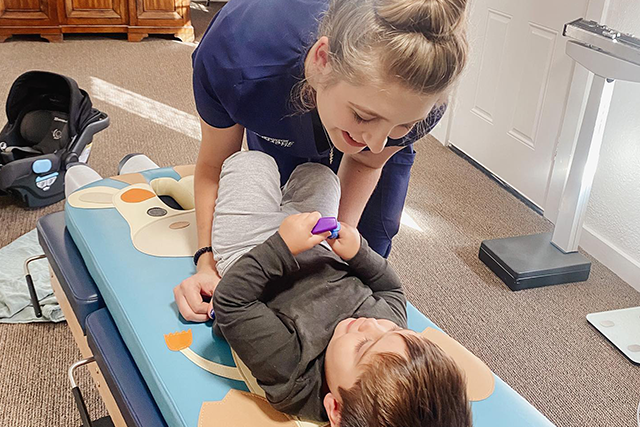
Infant adjustments appear in many different forms- your baby may be placed face down, face up, placed on you, being held, or for our tots, they may be adjusted while playing with toys (especially great for busy kiddos!)
What is that tool you always use?
 The activator is a chiropractic technique using a spring loaded tool for gentle and accurate adjustments. It can be manual or electronic, but has the same effect. Fast and gentle.
The activator makes it’s appearance at almost every adjustment! Many of our patients love the activator because it uses very little pressure. We love it so much we have both a manual and electronic versions. Plus, Dr. Bronson is trained in how to use it effectively on patients from newborn through adults.
The activator adjusts the spine by using speed instead of force, and is very gentle.
What Happens During an Activator Adjustment?
During a typical adjustment with the Activator instrument, the chiropractor applies the device to the tissues at or near the affected joint. A small initial pressure is followed by a quick thrust from the device, which feels much like having one’s reflex tested by tapping the knee.
The patient remains still, with no twisting or turning as there often is for a traditional chiropractic adjustment. After this, the doctor will examine the patient to check for improvement of signs and symptoms associated with the complaint.
Two Advantages of the Activator:
- High Speed – The instrument is so quick that the body’s muscles are less likely to tense in response, and resist the treatment. The lack of muscle resistance may facilitate the treatment’s effectiveness.
- Controlled Force – The applied force is localized and does not put the joint in any compromised positions, such as bending or twisting.
The activator helps adjust sensitive areas, like pubic bones on pregnant mamas (ouch!) and tiny spines. The intent is to facilitate the necessary spinal adjustments in an extremely gentle way.
How soon can I bring my baby in after birth?
As soon as you feel comfortable! We can see the tiniest and freshest newborns, there is no waiting period for a healthy nervous system. When the spine is out of alignment it puts pressure on the nervous system, including the brain and nerves that go into the organs. Any pressure decreases the function of the affected organ. For example, pressure on nerves going to the colon could cause decreased bowel function and lead to constipation, gas, or colic. Spinal misalignments, or subluxations, manifest in many different ways, especially in children. They could be fussy, spitting up, get ear infections, coughing and congestion, bed-wetting, colic, latching issues and more. Chiropractic can help regulate the nervous system to minimize pressure and inflammation so the body can operate at its best.
We like seeing babies as soon as possible to make sure they are not stuck in a stressed state. Stress can make it hard for their bodies to adapt to this big world! See our article on developmental milestones.
What are some questions you have??
To schedule a new patient visit or for more info call 888-333-0491