
1 (888) 333-0491
[email protected]
Book Appointment
Bronson Heritage Chiropractic Bronson Heritage Chiropractic
  • Home
  • About
    • Meet the Team
    • Social
    • Testimonials
  • Specialties
    • Pregnancy Chiropractic
    • Newborn & Pediatric
    • Family Chiropractic
    • Postpartum Chiropractic
  • Patients
    • Faq
    • Book Appointment
    • Discounts & Incentives
    • Gift Cards
    • Order Supplements
    • Privacy Policy
    • Healthcare Disclaimer
  • Areas We Serve
    • Aledo
    • Azle
    • Eagle Mountain
    • Fort Worth
    • Lake Worth
    • Saginaw
    • Springtown
    • Weatherford
  • Blog
  • Contact us

Tis the Season for Allergies

Tis the Season for Allergies

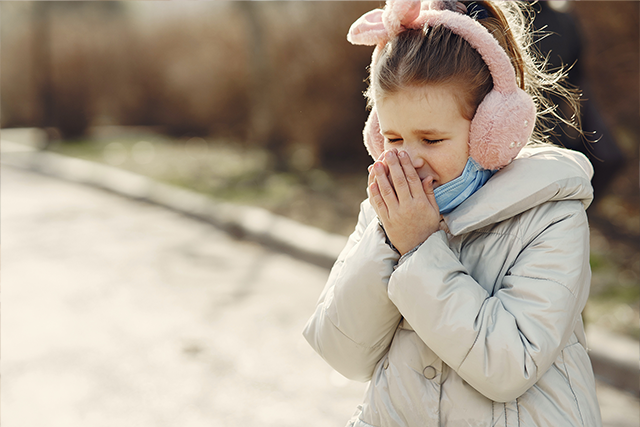
Allergies can grind our daily lives to a halt. We wanted to bring you some very timely information because it’s still wintertime, which for many can bring with it illnesses and allergies. Winter comes with seasonal allergies because of drastic weather changes, daylight hours change, and in Texas the temperature can be like a Yoyo. The leaves and dust cause problems because it’s much drier than in the spring and summer.

We all get sick, but seasonal changes can ramp illness up, so it’s important to know what to do to stay well.

You may be tempted to head to the pharmacy or even the hospital at the first sign of illness. But knowing what to let take its course and what needs attention is an important distinction.

Kids get sick a lot because their immune systems are learning. If they never come in contact with germs, their immune system will be out of practice and weak. It’s important to let our bodies fight off things that are safe to handle naturally. The lack of illness isn’t the main goal. The goal is to build a strong body, including our immune system, so that it can fight off invaders.

This situation is composed of our neurology, physiology, and immunology. We must fight off illness to build the strength to overcome illness. It’s like training to fight, or to do anything really. We are not good at things immediately. We need time to train. So, our bodies also must train to fight off illness.

Congestion can turn into a cold, which should only last a few days and is a great opportunity for our bodies to train the immune system. However, if a cold lasts a week or more, and comes with trouble breathing, and a nasty tight cough, it’s not as simple. You could still fight it off naturally but paying attention to danger signs is much more important. Trouble breathing and high temperatures over 104 are some good danger signs they need additional help.


Build Your Immune System in Advance

To help your child kick the illness naturally, the first step is to avoid things that harm the immune system. Namely, drugs. Drugs can mask symptoms and prevent the body from naturally taking care of illness. Think about vomiting, runny nose, fever, sneezing, and coughing. Those are all ways our body handles illness. What do all of these symptoms have in common? They all expel something from our bodies. If you suppress it, then your body can’t get rid of what it’s trying to expel. And, hindering your body’s natural response can come with some nasty progressions like bronchitis, pneumonia, etc. Understanding how to responsibly deal with illness, without overcomplicating it with medications, is half the battle.


A Shift in Perspective

Parents typically think the first step when children get sick is to go to the pediatrician. But pediatricians treat problems in a much different way than a pediatric chiropractor. Chiropractors specialize in a holistic, or integrated, approach to wellness. Sometimes medical doctors are needed in a particular situation, and sometimes they aren’t. Much like you may be able to change your own oil in your car, but you’ll likely go to a mechanic if the engine won’t run smoothly. At that point, maintenance and prevention are too far gone and it requires a more drastic action.

Our bodies were designed to be strong, but not immortal, so illness will happen. What matters is how it’s handled. Just like training for anything, your body needs challenges to make it stronger.


The Big Picture

As kids grow, their nerves, muscles, and tissues stretch. Their neck, shoulders, and spine grow and stretch which can affect ears, nose, throat, lungs, and lymphatic system. Their growth spurts can also affect congestion, which is normally handled by the muscles from the neck to the thorax. When these muscles are disrupted and tight, they can’t effectively move and drain the congestion through the lymphatic and respiratory systems.

The problems can start as early as birth, exacerbated by the stress of delivery, teething, and rapid changes in their bodies. This, combined with the pressures of school, sports, and social life can take a lot of energy. Kids typically get less sleep than they need and drink much less water than they should. With less sleep, more stress, dehydration, and a constant barrage of input from their phones, computers, TV, etc. it’s no wonder they are more susceptible to getting sick.


Holidays – The Aftermath

During the fall and holiday season, beginning with Halloween, kids take in a bunch of sugary foods and drinks. Candy, cookies, pies, and cakes are all foods eaten in moderation until this time. But when January rolls around, many of us are dealing with a lowered immune system from our holiday diet, stress, and weather changes. The trend of illness in January, February, and March is well documented but we act surprised when colds and flu make their way through our families after Christmas.

Normally, these stressors are easy to deal with one at a time. But when they all happen at once, it’s a perfect storm for sickness. These combined can be hard to handle, particularly if your child was born by c-section, had birth intervention with suction and forceps, and has had a history of colic, reflux, or intestinal issues. If they’ve had developmental milestone delays, balance issues, low muscle tone, or if they have respiratory issues. Respiratory immunological illnesses happen more in children with movement challenges. A pediatric chiropractor can help your child’s body function more as it should, helping the flow of processes that are designed to handle many of life’s stressors.


Steps to Keep Your Children Naturally Healthier

Chill Out – Parents tend to push their kids hard in some areas like sports. But overloaded schedules lead to overdoing it and can negatively affect our immune systems. If a child isn’t feeling well, let them get some rest and incorporate some moderate exercise, like taking a walk, to help things like congestion move and clear out. Movement is good but a crazy overloaded schedule isn’t good for the mind or body.

Get Adjusted – Chiropractic adjustments are an important because a subluxation can create congestion and inflammation. Fixing subluxation can help reduce stress symptoms and open constricted areas that cause blockages in the body’s normal function.

Get Boosted – Things like vitamin C, vitamin D, zinc, fruits, vegetables, sleep, and plenty of water can help boost our immune systems. Essential oils in a diffuser can help keep airways clear.

Go Easy on the Sweets – Nobody is asking you to do without all the wonderful foods over the holidays. But some moderation is in order. Limiting the amount of unhealthy fats and sugar can prevent the overload many people experience during the holidays that damages our immune systems.

Go Medical Only When Needed – Some prescription medications can have amazing results knocking out sicknesses. Without them, some people would die or have lifelong issues. But overusing these modern miracles can have an adverse result.

As an analogy, think about a machine that does sit-ups for you. How long would it take before you couldn’t do a sit-up on your own? Prescription and over the counter medications can either mask symptoms, stop beneficial but uncomfortable symptoms or do the work for our bodies. If drugs do the work, our bodies don’t have to. It doesn’t sound so bad, does it? But, if we don’t do the work, we lose the ability to do the fighting and need the drugs to do it for us. That’s not a good situation and one that gets worse over time.

Research has shown that kids have more immune system challenges after taking antibiotics. Things like allergies and respiratory illnesses are more likely to cause trouble when our immune systems are compromised.

So, the choice is to allow the child to fight off their illnesses, bolstering their immune system, or opt to let drugs do the fighting and weaken the immune system. We feel that the short-term victory from drugs can create long-term side effects.  We aren’t saying never take your child to a medical doctor, but we caution against using antibiotics and drugs too often. There are absolutely times that medical intervention is necessary. Medicines can help turn around an illness going the wrong way. We just feel that it should be used as a last resort.

As a prenatal and pediatric chiropractic clinic, we welcome the opportunity to help you with a care and wellness plan that’s right for you and your child. We support our patients’ rights to choose the proper care for their families and look forward to proving what chiropractic care can do. Our process includes examination, treatment, and education so that you can feel more confident in your decisions. Let us help you and your family live healthier lives.

Back to School Challenges

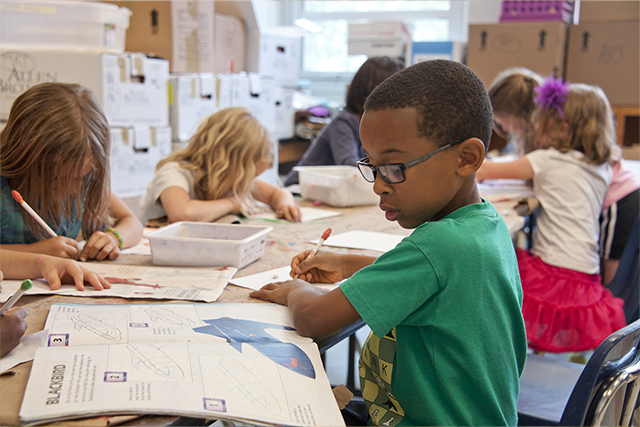
Back to school is here, which comes with the challenge of getting kids to focus on school work and get back into the learning mode. On the surface, it seems like a good idea to use gimmicks like fidget spinners, instrumental music, etc. But there may be more going on that caused attention difficulties.

THE BRAIN

The brain plays a big part in all of this, so let’s dig into some information that could make their experience easier.

The brain is multifaceted and handles all kinds of functions that facilitate learning and focus. Over the holidays, some of these functions switch off and others switch on. The limbic system is located in the middle of the brain and acts like a conductor, directing sensory input to where it needs to go. Stress, anxiety, hyperactivity, and fear all get directed to a protective response. On the others side of things, calm and structured input gets directed to the cerebral cortex for learning and the hippocampus, where information is slated for memory and focus. That’s why kids in highly stressful situations find it hard to settle down and learn. Teachers who understand this and make learning more fun and less stressful tend to have more successful grade averages in their classes.

So the goal, as parents, caregivers, and teachers is to keep from overstimulating the limbic system and avoid the fight-or-flight response in the children’s brains. Because an overwhelmed limbic system won’t direct traffic very well.

STRESS & THE ENVIRONMENT

Stress comes mostly from our environment in foods, diet, emotional situations, and physical situations too. It doesn’t take a pediatric chiropractor to understand that, with all of this stressful input, kids can get stuck in a mode that isn’t conducive to learning. Physical and emotional stress can start at birth, from a difficult delivery, or even an emotionally stressful pregnancy.

Our Insight Scanning technology allows us to visually see areas of stress or tension can could be causing, or a result of, these stressors in kids of all ages. We can see where that tension is being held, that could be causing focus problems. Typically, we see tension representing itself in the neck and shoulder areas.

When tension is not handled properly, it can result in hyperactivity because that’s the realm of protection, being hyper aware, avoiding danger, etc. It’s not the calm state in which kids are ready to learn.

Our nervous system’s main function is to interpret input from the environment around us and coordinate the function of all the cells of our body.

SYMPTOMS

  • Hyperactivity
  • Uneasiness
  • Fear
  • Anxiety
  • Anger
  • Lack of Focus
  • Can’t sit still

All of us, with an overly stress-stimulated brain, experience trouble paying attention because the limbic system is flooded and the hippocampus shuts down. It can’t efficiently coordinate everything going on, and certainly isn’t at a state of peace.

Do you remember trying to remember something during a stressful day, and you just feel the need to unplug, take a nap, hit some golf balls, or read something funny? That’s your body telling you that it’s overstimulated and needs a break. Kids need a break from sensory input, especially after the holidays or summer break. This seems counterintuitive but the break they need isn’t a break from work; it’s a break from competing input. They need less going on, like video games, phone use, arguments, overly busy extracurricular activities, etc. They need less to distract them and more time for rational thought.

A pediatric chiropractor can help kids by helping to relieve some of the physical representations of stress like subluxations and tension, that can throw off balance, coordination, and focus. It’s frustrating to deal with a child who isn’t paying attention, which is why so many parents seek a medical treatment to help. But, sometimes all it takes is a thoughtful chiropractic treatment plan to help their bodies function properly.

Next time you notice your child having problems with focus, anxiety, and stress, give a pediatric chiropractor a try. We specialize in prenatal and pediatric chiropractic because pregnant mothers and children have stress that is rarely treated without prescription drugs. We’ve seen incredible results in our patients and would love to show you how we can help.

Does Your Child Have Anxiety?

Does your child have anxiety?

The pandemic brought many things to light that were in the shadows. For many, it caused things like depression, anxiety, and other emotional issues to rise to the surface and cause problems. For so many, school and seeing friends kept problems at bay, but mandating students to stay home and move their learning online created a serious blow to their social skills and coping mechanisms. Whether you believe lockdowns were necessary or not, they caused emotional issues for many kids and adults. Things like anger, depression, anxiety, lack of motivation, plummeting energy levels, insomnia, and even ulcers, hives, acid reflux, headaches, eye strain, and other manifestations of stress became issues.

A case study by PXDocs showed that a 5th-grade girl Avery’s sympathetic nervous system was stuck on and left her in a constant state of tension and irritability. Her Insight Scans showed red areas of tension correlating with subluxation and dysfunction that affected her adrenal glands and caused sensory and anxiety to flare up. In only 90 days of proper chiropractic care, her follow-up scans lined up with her parents noticing a big improvement. She was falling asleep easier, waking up rested and was calmer and more relaxed. But the big win was that she could control her emotions and showed much fewer signs of stress and anxiety!

Here are Avery’s before and after scans. You can see the progress and why we love our Insight technology so much. It gives us the ability to show you visual proof of your progress.

How To Spot Anxiety

It’s simple for parents to spot anxiety by watching a child’s body language and mannerisms.

Common signs of anxiety:

  1. Seeming overwhelmed
  2. Restless or irritable
  3. Looking tired
  4. Lack of motivation or taking on too much
  5. Trouble concentrating
  6. Easily angered
  7. Frequent headaches, backaches, etc.
  8. Overly worried
  9. Spiraling with tasks feeling they are unmanageable
  10. Insomnia or still tired in the mornings
  11. Indigestion, heartburn, nausea, constipation
  12. Emotionally unstable

All or some of these symptoms usually accompany tension that can cause more problems. If your child complains of headaches, a stiff neck or back, or uncontrollable feelings of being overwhelmed, then you should seek help.

Emotional stress can manifest in the neck and back, which can perpetuate more stress and even frequent illness from a damaged immune system.

Think about it. When you have a sore neck, headache, or backache, how do you react to others? Chances are, you react with less patience and aren’t in a very good mood. It can affect your immune system, digestion, heart rate, sleep, and every aspect of your life. It does the same in your children.

You and your children can get help naturally without using prescription or over-the-counter drugs. Chiropractors are educated in ways to help the body function as intended and to keep the flow of electrical signals, hormones, blood, and oxygen moving smoothly. Often, the simple answer is the right one.

Insight Scanning Technology

We use a tool that can show tension in various areas of the body. It helps us spot the cause of blockages or tension that can disrupt the flow of nerves, muscles, and vital nutrients that keep our bodies running at their best. It can show the doctor indications of subluxation (vertebra misalignment) that can usually be easily fixed. The nervous system doesn’t operate properly when there are disruptions and can get out of balance. This can enhance issues like anxiety.

A subluxation in the upper cervical area (neck) can disrupt motor function and affect balance and really everything in your body. The nerves in and near your brain stem affect everything, especially the vagus nerve. A subluxation here can start as early as birth and is a common problem many parents may not be aware of. It can be a root cause of many issues that are misdiagnosed and mistreated.

Imagine if you looked at your front yard and it was brown. You look around and notice a water hose and sprinkler are there, but there’s a bicycle parked on it, stopping the water flow. Now you have a choice of what to do…


Do you:

  1. Remove the bicycle
  2. Fertilize the yard

The answer seems simple, but when it comes to our bodies, we sometimes choose to add chemicals.

If you treat the issue with drugs, many times it’s like fertilizing the yard when you could just remove the bike and let the water flow. Once the water begins to flow again, the grass will get the nutrients it needs to thrive, and it will turn green again.

Chiropractic is much like removing the bike and restoring proper flow to our bodies. A subluxation is like a kink in the hose sometimes and can restrict important functions.

The Bottom Line

If you notice your child seems overwhelmed, anxious, and exhausted all at the same time, it’s time to intervene and get some help. It may not be purely a psychological issue. It could be a problem caused by subluxation that’s disrupting their body’s natural function.

If you haven’t experienced chiropractic before, this may be a new concept for you. Advertising by major drug companies portrays common symptoms as causes for taking medication when maybe all that’s needed is focused chiropractic treatment. A pediatric chiropractic specialist like Dr. Bronson can examine, diagnose, and treat children in special ways to gently restore proper function so their bodies can thrive.

It’s worth a shot to avoid chemicals and solve the underlying issue. After treatment begins, many parents see improvement in:

  1. Mood
  2. Sleep
  3. Energy
  4. Ability to cope with tough situations
  5. Emotional stability
  6. Digestive issues
  7. Concentration (better grades in school and more attention span)

The History of Pumpkin Pie

The History of Pumpkin Pie

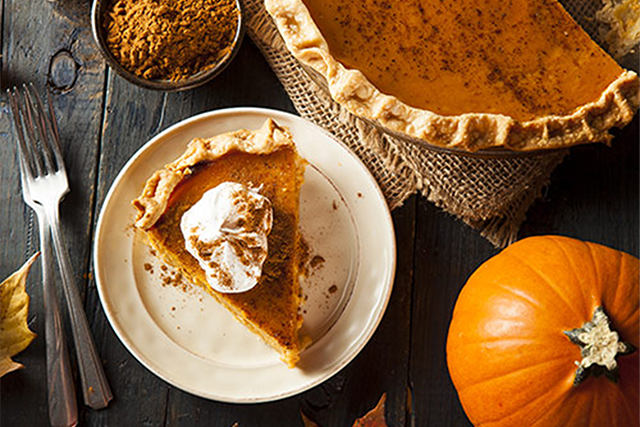
It’s hard to imagine Thanksgiving without pumpkin pie. But pumpkin isn’t something we normally eat. So how did it become so important in a pie at Thanksgiving?

Here are some guesses:

  1. Pumpkins were left over from Halloween and we had to do something with them.
  2. We grew tired of squash and wanted something different….and sweet.
  3. It was a practical joke and ended up tasting pretty good.

The actual reason is interesting and with a rich history.

The Origin

Pumpkins date back to 5,500 B.C., cultivated in Central America. In fact, they were one of the first things the European explorers brought back from their travels. First mentioned in about 1536 as “orange gourds.” First called pumpions, the pumpkin became part of England’s pie-making culture, which was in full swing with all kinds of sweet and savory ingredients.

Using pumpkin was a way to make bread without much flour but it wasn’t always popular. However, in 1653 there was a recipe published by the French chef Francois Pierre la Varenne that instructs readers to boil pumpkin in milk and add it into a crust. Later in England in 1670, a writer named Hannah Woolley wrote about a pie containing pumpkin, apple, and herbs such as rosemary and thyme. Pumpkin pies grew in popularity in New England during the 18th century and became part of the traditional Thanksgiving feast. And in 1705, a town in Connecticut postponed their Thanksgiving celebration by a week because there wasn’t enough molasses to make an adequate number of pumpkin pies.

Pumpkin pie recipes are as numerous as the pumpkins’ appearance are varied. A recipe published in the first American cookbook published, “American Cookery”, in 1796 was very similar to the custard version we all know today.

From there, pumpkin pie rose to greatness being featured in novels, papers, and on Thanksgiving tables across the New World. Abraham Lincoln made Thanksgiving a national holiday in 1863, during which the common two foods were turkey and pumpkin pie. And in 1929 Libby’s meat-canning company in Chicago introduced canned pumpkin, which opened up the dish for those who didn’t want to spend the time to cook, strain, and mash their own pumpkins. The rest is history…

Comment with your favorite pumpkin pie recipe and favorite Thanksgiving memory. Happy Thanksgiving from all of us at Bronson Heritage Chiropractic.

Schedule Appointment

Top 3 Ways the Fall Season May Come with Holiday Behavioral Challenges

Holiday behavioral challenges affect many people. Here are some explanations and things you can do to help. You may notice your child and others having more trouble with their anxiety, ADD, ADHD, or other sensory conditions during the fall months, when they seem relatively fine the rest of the year. Transitioning back to school, Halloween, Thanksgiving, Christmas…there’s a lot going on.

Here are some tips to help your kids de-stress and have a smoother, happier, calmer, more sensory, emotional, and behavioral-regulated transition.

What Causes Holiday Behavioral Challenges?

  • Changes – Let’s face it; some people don’t handle changes very well. Children, in particular, have trouble with changes, especially when things get a bit chaotic. Add to that the anticipation for a school break and all the fun times during the holidays, and it’s understandable why it can be a sensory overloading time. Children with sensory conditions like ADD, ADHS, seizures, anxiety, and ASD (autism spectrum disorder) may find it especially difficult during the holidays.
  • Our Emotions Follow the Seasons – It’s natural for our bodies to adjust to the seasons. Holiday behavioral challenges are just a difficulty adapting to changes and can cause sensory overload. The way nature intended, our nervous system follows our circadian rhythms and is always adapting to changes in the environment and our surroundings. Seasonal changes like temperature, changes to daylight hours, time changes, and seasonal activities all create changes we must navigate. Naturally, our bodies attempt to slow down in the winter months when a typical family’s activities are at an all-time high. Our activity contradicts our circadian rhythms, causing stress that can affect those with or without existing challenges.
  • Seasonal Allergies – Allergies can cause additional stress on our bodies. During the holiday months, our immune systems have a hard job. When the green turns to tan, the leaves fall, the grass goes dormant, and there’s an increase in dust in the air. Our bodies have processes in place to handle allergies, but they can increase our inflammation levels and increase stress. But what do you think happens if something is preventing your body from reacting the way it should? What if you add drugs to the mix, which counteract your body’s natural responses? It can take some of the fun out of the holidays.
    So, how does chiropractic affect your body’s response to seasonal allergies, emotions, adaptability, and more? A subluxation can hinder your body’s defenses along with something called The Perfect Storm, which can trigger sympathetic nervous system dominance. When this happens, your immune system is less effective, and you could have moderate to severe inflammation issues (allergies, aches, pains, stiffness, headaches, etc.)
Circadian rhythm cycle of a typical teenager. Credit: NIGMS.

Fall and winter come with more stress. It’s that simple. We come in contact with more people, more germs, and more stressful situations that we need to mitigate. But germs are not the problem; our ability to fight them off is the problem. Our immune system needs support from our bodies, which need to be functioning properly. If something hurts our ability to adapt and fight off illness, that’s where problems arise. And if your immune system is working overtime, it takes more energy away from other processes that regulate neurosensory, behavioral, emotional, and other brain functions.

3 Things That Could Help Counteract Holiday Behavioral Challenges

First, neurologically focused chiropractic care can help your body function as it should, enabling it to adapt properly. Chiropractic treatment can activate the parasympathetic system by activating the Vagus Nerve, which can have a relaxing and calming effect very quickly.

You and your child will benefit from a balanced, properly functioning system, which could go a long way to reducing the holiday’s emotional, behavioral, or stress challenges.

If you or your child is experiencing trouble with emotions, anxiety, ADD, ADHD, or a challenged immune system, and you haven’t visited Bronson Heritage Chiropractic yet, it may be beneficial to do so. We want to help you make holiday challenges easier to handle.

Second, it’s important to slow down and stop scheduling every waking moment. Downtime is important. Unplug from the computer, phone, and TV and go outside or read a book. Protect your bedtime and get plenty of sleep. Drink enough water each day to help your body circulate important nutrients. Eat right whenever possible and add plenty of fruits and vegetables to your diet.

Third, increase supplements like magnesium, potassium, Vitamin C, and zinc. Magnesium is calming to your system and can help you get to sleep easier. Vitamin C, zinc, allicin, and elderberry can help boost your immune system.

It’s a balancing scale. When there’s more stress, add more things to counteract it. We are all busy, but we don’t all take the necessary precautions to protect our immune systems, emotions, and behavior. When we get too busy for good health, it can cause holiday behavior problems, seasonal illness, and symptoms of high stress.

Come see us to give your body the balance it needs for good health. You’ll be glad you did.


Schedule Appointment

What is the Vagus Nerve and Why is it Important?

Patient Case:

Greg, 50

Symptoms: Trouble sleeping, difficulty losing weight, severe depression, anxiety, constipation, and feelings of exhaustion.

Scans showed his Vagus Nerve was not functioning properly. Greg was stuck in sympathetic dominance, which is fight/flight. His nervous system was not in a state of ease and rest. Photos compare a Vagus Nerve that is not functioning properly vs. a well-balanced nervous system.

The Vagus Nerve, or vagal nerves, are not something we normally learn about in school. But they are the most important nerves in the human body. We should know about them.

The Vagus Nerve is very long and intricate, starting in the upper neck and extending down the neck and into the torso. It carries smells, sights, tastes, and sounds and controls muscles and glands. It has both motor and sensory functions and serves as the main nerves of your parasympathetic nervous system (involuntary like digestion, heart rate, immune function, etc.). So, the Vagus Nerve carries on two-way communication with your body and brain to report back and control important functions.

How the vagus nerve affects organ systems. (Image courtesy of http://www.TheOdysseyOnline.com)

The Vagus Nerve controls:

  • Eyes – sensory
  • Ears – sensory
  • Throat – sensory
  • Tongue – sensory
  • Heart – sensory
  • Lungs – sensory
  • Swallowing – motor
  • Speech – motor
  • Digestion – involuntary
  • Breathing – involuntary
  • Heart Rate – involuntary
  • Inflammation
  • Emotions

The Vagus Nerve can supply the body with health and wellness if it’s working right. If it’s not, it can cause all kinds of health issues. It can affect sleeping, eating, intestinal issues, anxiety, emotional issues, seizures, and more.

In Western culture, we are not taught to look for natural causes and remedies. But in the chiropractic profession, that’s exactly what we do. We look for stress in the nervous system and correct the root cause. That way, the body can function properly and heal itself the way nature intended.

VAGUS NERVE ISSUES IN CHILDREN

Children are particularly susceptible to presenting symptoms caused by Vagus Nerve disruptions. The kind of disruptions that the typical medical community may try to treat with prescription drugs or surgery, while chiropractors treat them naturally.

Some patients can struggle significantly with health issues that can be traced to the Vagus Nerve as the root cause. With proper treatment, some of these issues can subside quickly.

Because of how the Vagus Nerve is situated, it can be easily injured during birth and cause problems such as dysautonomia, which we will illustrate below.

VAGUS NERVE ISSUES IN ADULTS

The Vagus Nerve controls energy levels, sleep quality, mental health, heart rate, blood pressure, respiration, gut health, digestion, reproduction, and more.

THE PROBLEM

Many doctors dismiss conditions like colic, ear infections, constipation, and other common childhood maladies as “normal.” If normal means frequent, then maybe they’re right. But if 25% of children have problems that could be prevented or treated naturally, wouldn’t you want to help these children?

Conditions like:

  • Colic
  • Reflux
  • Constipation
  • Bedwetting
  • Sleep issues 
  • Chronic ear infections
  • Frequent sickness
  • ADD
  • ADHD
  • OCD
  • Anxiety
  • Depression
  • Autism
  • Seizures
  • Speech disorders
  • Autoimmune disorders
  • Delayed motor milestones
  • Balance issues

If your child is struggling with these issues, it’s important to get them scanned to see how their nervous system is functioning. A pediatric chiropractor can help by removing the neurological interference and naturally allowing the body to function at its best.

HOW CHIROPRACTIC CAN HELP

Typical advice for treating Vagus Nerve problems includes medication, massage, and relaxation techniques. Some try natural approaches like diet, essential oils, aromatherapy, etc. But the proper chiropractic adjustment can be a powerful treatment that often goes unmentioned by the medical community.

While traditional medicine continues to make positive strides, and natural therapies prove to be helpful, proper chiropractic care can be a powerful ally in treating problems caused by a Vagus Nerve disruption.

INSIGHT SCANNING – SEE THE PROBLEM

The best first action is to get your Insight Scan from Bronson Heritage Chiropractic and see the problem for yourself.

The Insight Scan is a neurological scan and visual report that can help Dr. Bronson find out if subluxation or dysautonomia could be the issue. The scans take less than 30 minutes and include useful information for you and the doctor.

The scans do not emit any harmful radiation, are safe for everyone- newborns and pregnant women included and take 5 minutes. The scans show tension and inflammation patterns, along with heart rate variability, which measures stress on the nervous system.

Schedule Appointment
  • 1
  • …
  • 7
  • 8
  • 9
  • 10
Side Bar
Recent Posts
  • Chiropractic vs Medication: What’s the Difference?
  • What Is a Subluxation and Why Does It Take Time to Correct?
  • Understanding Chiropractic: Beyond Pain Relief: Part 1 of 5
  • Staying Healthy During Mountain Cedar Season in North Texas
  • A Christmas Reminder: Rest, Restore, and Reset
Categories
  • General
  • General Health
  • Pediatric Chiropractic
  • Physical Therapy
  • Postpartum Chiropractic
  • Pregnancy Chiropractic
  • Uncategorized
Bronson Heritage Chiropractic

Please visit us on social media, call, or just come by. We'd love to hear from you.

Copyright © Bronson Heritage Chiropractic 2024. All rights reserved.
Treatment information is for educational purposes only and applies only to licensed chiropractors. It is not intended for the general public to use chiropractic techniques for self treatment or the treatment of others. Read our full Healthcare Disclaimer.
Developed by William Bronson